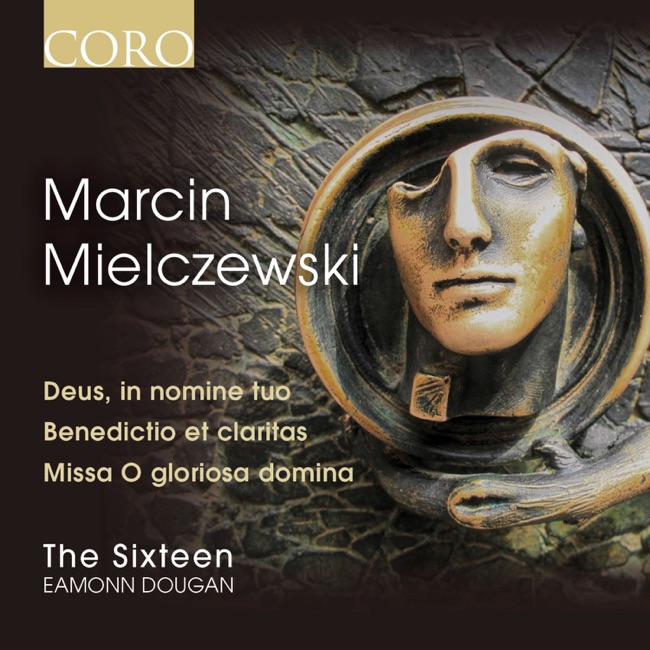
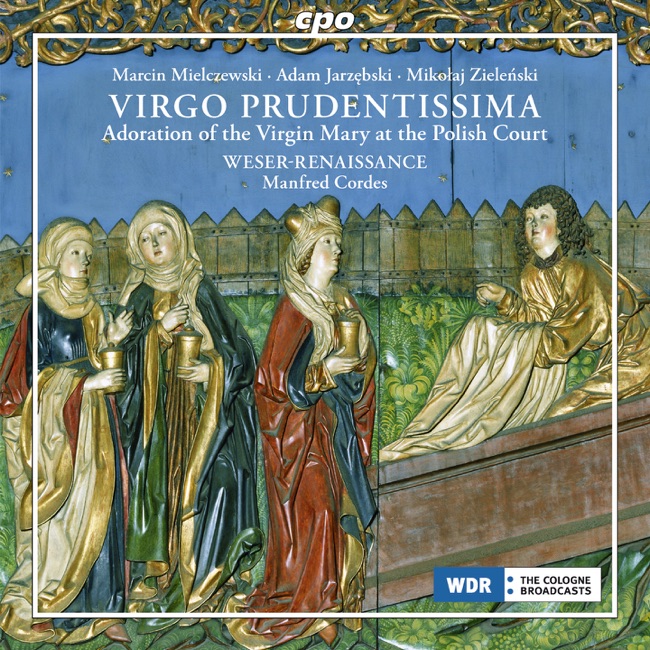
Marcin Mielczewski
Quem terra pontus à 12
Released Album
Recent Album
Works Info
Composer:Marcin MielczewskiGenre:VocalAverage_duration:4:54"Quem terra pontus à 12" is a choral work composed by Marcin Mielczewski, a Polish composer of the Baroque era. The piece was composed in the early 17th century, and its premiere date is unknown. The work is divided into four movements, each with its own unique characteristics. The first movement is a lively and energetic setting of the text "Quem terra pontus aethera," which translates to "Whom earth, sea, and sky." The music is characterized by its use of imitative polyphony, with the voices entering one by one to create a rich and complex texture. The movement is marked by its rhythmic vitality and its use of syncopation, which gives the music a sense of forward momentum. The second movement is a more contemplative setting of the text "Praestet fides supplementum," which translates to "May faith provide a supplement." The music is marked by its use of homophonic textures, with the voices singing in unison or in simple harmonies. The movement is characterized by its gentle, flowing melody and its use of suspensions, which create a sense of tension and release. The third movement is a lively and rhythmic setting of the text "Genitori Genitoque," which translates to "To the Father and the Begotten." The music is characterized by its use of dance rhythms, with the voices singing in a lively triple meter. The movement is marked by its use of syncopation and its lively, joyful character. The final movement is a majestic setting of the text "Salus, honor, virtus quoque," which translates to "Health, honor, and virtue also." The music is characterized by its use of grand, sweeping melodies and its rich, full harmonies. The movement is marked by its sense of grandeur and its use of antiphonal textures, with the voices singing in alternation to create a sense of space and depth. Overall, "Quem terra pontus à 12" is a rich and complex choral work that showcases Mielczewski's skill as a composer. The piece is marked by its use of imitative polyphony, homophonic textures, dance rhythms, and grand, sweeping melodies, and it remains a beloved work of the Baroque choral repertoire.More....
Works Music
Released Music