Arthur Berger
Septet
Released Album
Recent Album
Featured Album
Works Info
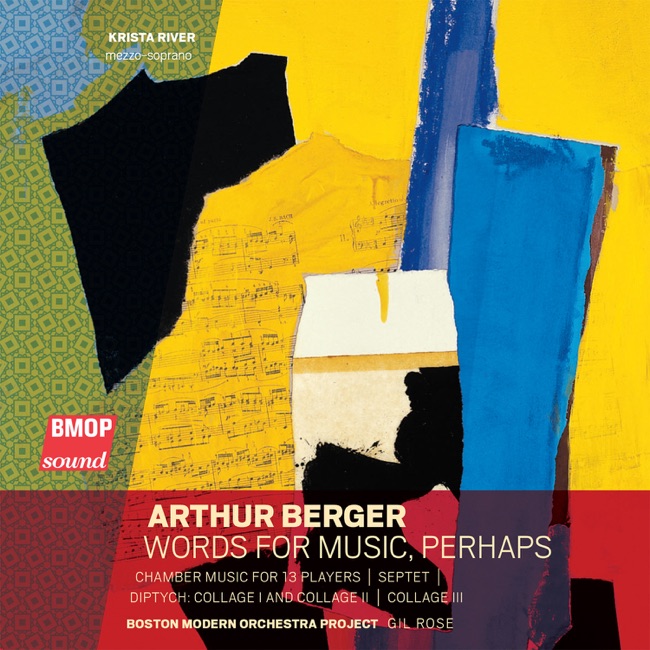
Composer:Arthur BergerStyle:SeptetAverage_duration:12:05Septet is a chamber music composition by Arthur Berger, an American composer, and music educator. The piece was composed in 1953 and premiered on March 22, 1954, at the Library of Congress in Washington, D.C. The composition is written for seven instruments, including clarinet, bassoon, horn, violin, viola, cello, and double bass. The Septet consists of three movements, each with its own distinct character and mood. The first movement, marked Allegro moderato, is lively and energetic, with a playful and rhythmic melody that is passed between the instruments. The second movement, marked Andante, is more introspective and contemplative, with a hauntingly beautiful melody played by the violin and viola. The final movement, marked Allegro, is a lively and spirited dance, with a fast-paced and rhythmic melody that builds to a thrilling climax. One of the most notable characteristics of the Septet is its use of counterpoint, a technique in which multiple melodies are played simultaneously, creating a complex and intricate texture. Berger's use of counterpoint in the Septet is particularly effective, as he weaves together the various melodies and rhythms to create a cohesive and dynamic whole. Another characteristic of the Septet is its use of tonality, or the system of organizing music around a central pitch or key. Berger's use of tonality in the Septet is both traditional and innovative, as he combines elements of classical tonality with more modern and experimental techniques. Overall, the Septet is a masterful work of chamber music, showcasing Berger's skill as a composer and his ability to create a rich and complex musical tapestry. Its premiere in 1954 was met with critical acclaim, and it has since become a staple of the chamber music repertoire.More....
Works Music
Released Music
Featured Music