


Franz Liszt
Agnus Dei de la Messa de Requiem di Verdi (I & II), S. 437
Released Album
Recent Album
-

-

-

-
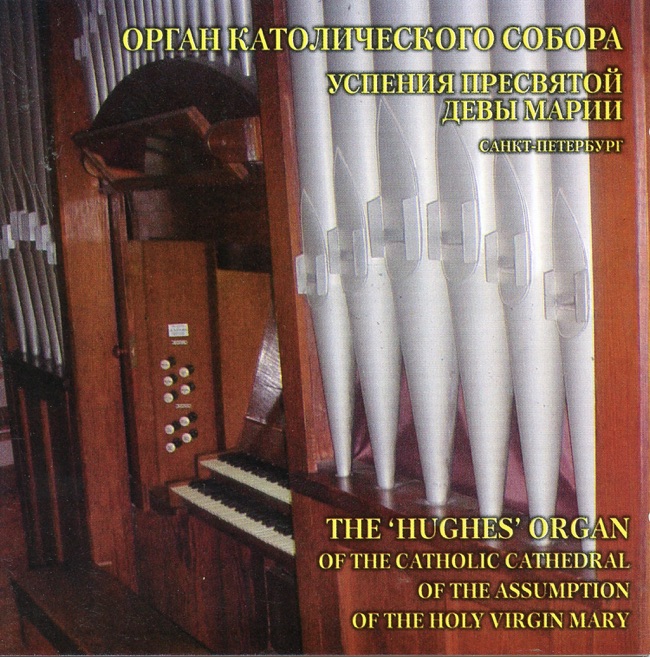 Marina ChernousovaApril 1, 2004
 -

Works Info
Composer:Franz LisztGenre:KeyboardStyle:Agnus DeiCompose Date:1877Publication Date:1878 - 1883Average_duration:5:22Franz Liszt's "Agnus Dei de la Messa de Requiem di Verdi (I & II), S. 437" is a transcription of the Agnus Dei movement from Giuseppe Verdi's Requiem Mass. Liszt composed this piece in 1877, and it premiered in the same year in Weimar, Germany. The piece is divided into two sections, with the first section being a transcription of the choral section of the Agnus Dei movement, and the second section being a transcription of the solo section. The first section is marked "Andante sostenuto," and the second section is marked "Adagio." Liszt's transcription of Verdi's Agnus Dei is characterized by his use of rich harmonies and virtuosic piano writing. The piece begins with a solemn and mournful melody in the left hand, accompanied by a simple chordal accompaniment in the right hand. As the piece progresses, Liszt adds more complex harmonies and textures, building to a climax in the middle of the first section. The second section of the piece features a solo piano transcription of the soprano solo from Verdi's Requiem. Liszt's transcription is faithful to the original melody, but he adds his own virtuosic flourishes and embellishments. The section is marked by a sense of longing and melancholy, as the solo piano weaves in and out of the original melody. Overall, Liszt's "Agnus Dei de la Messa de Requiem di Verdi (I & II), S. 437" is a powerful and moving transcription of Verdi's Requiem. Liszt's use of rich harmonies and virtuosic piano writing adds a new dimension to the original work, while still remaining faithful to Verdi's original vision.More....
Works Music
Released Music

2

Agnus Dei de la Messa de Requiem di Verdi (I & II), p. 437
Agnus Dei dalla Messa da requiem (2 versione), S. 437/2
4:52
3

4:56
4
4:41
5

5:48