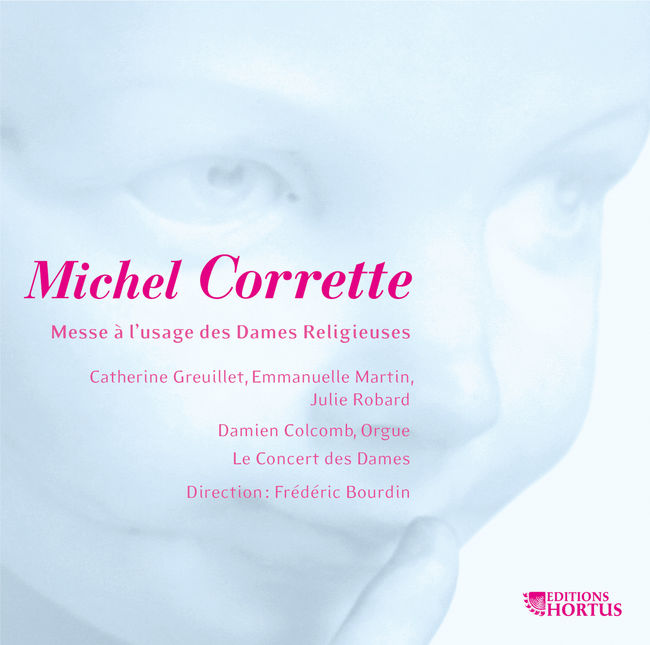
Michel Corrette
Magnificat du 3e et 4e Ton
Released Album
Recent Album

Works Info
Composer:Michel CorretteGenre:ChoralStyle:MagnificatAverage_duration:10:06Michel Corrette's Magnificat du 3e et 4e Ton is a choral work that was composed in the Baroque era. It was first premiered in the 18th century, and it is still performed today. The Magnificat is a musical setting of the biblical text of the same name, which is a hymn of praise to the Virgin Mary. The Magnificat du 3e et 4e Ton is divided into several movements, each of which has its own unique characteristics. The first movement is an instrumental introduction, which sets the tone for the rest of the piece. It is followed by a series of choral movements, which alternate with solo sections. The choral sections are characterized by their rich harmonies and complex counterpoint, while the solo sections are more melodic and expressive. One of the most notable characteristics of the Magnificat du 3e et 4e Ton is its use of different tonalities. As the title suggests, the piece is written in two different tonalities, the third and fourth modes. This gives the piece a unique and varied sound, as each mode has its own distinct character. Another characteristic of the Magnificat is its use of ornamentation. The Baroque era was known for its elaborate ornamentation, and Corrette's Magnificat is no exception. The vocal lines are often decorated with trills, runs, and other embellishments, which add to the overall richness and complexity of the piece. Overall, Michel Corrette's Magnificat du 3e et 4e Ton is a beautiful and complex choral work that showcases the composer's skill and creativity. Its use of different tonalities and ornamentation make it a unique and memorable piece, and its enduring popularity is a testament to its lasting appeal.More....
Works Music
Released Music
1

Magnificat du 3e and 4e tone
I. Plein jeu avec la pédale de trompette pour toucher avec les deux pieds. Adagio
L'orgue classique français: 1650-1800 (150 ans de musique du Grand Siècle à la Révolution française)
1:26