Gregorian Chant
Proprium Missae in Epiphania Domini
Released Album
Recent Album
Works Info
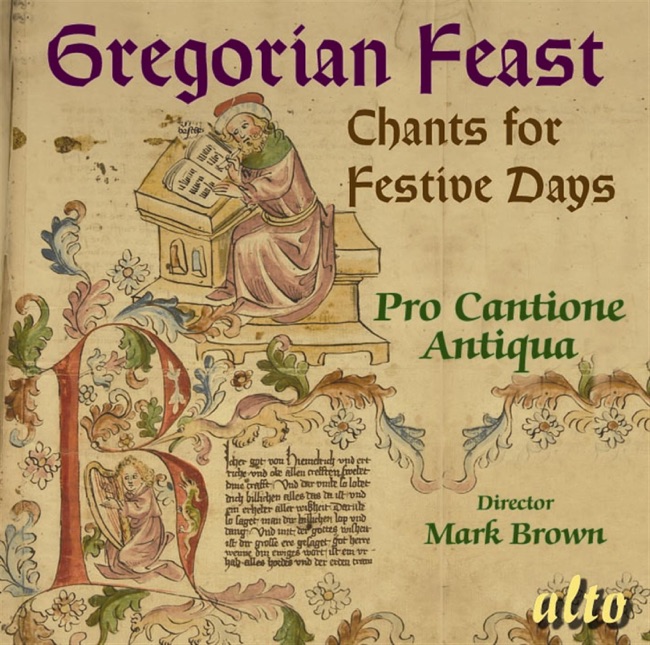
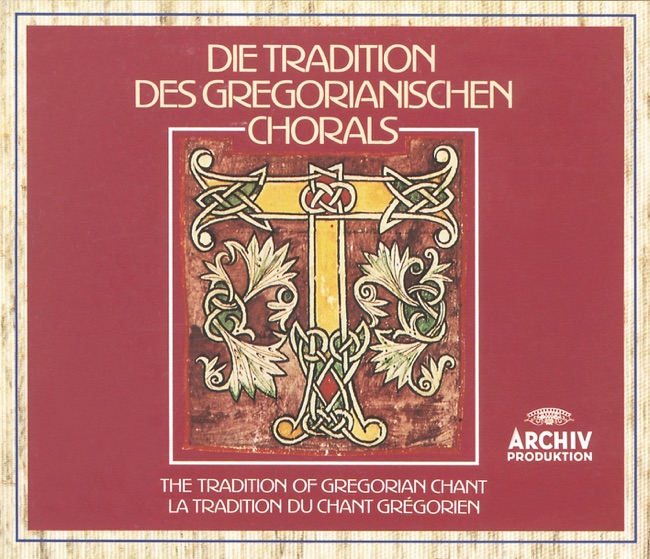
Composer:Gregorian ChantGenre:ChoralStyle:ChantAverage_duration:11:18Proprium Missae in Epiphania Domini is a Gregorian chant composed for the celebration of the Epiphany of the Lord. The Epiphany is a Christian feast day that commemorates the visit of the Magi to the baby Jesus in Bethlehem. The chant is part of the Proper of the Mass, which includes the texts and chants that vary according to the liturgical season or feast day. The Proprium Missae in Epiphania Domini consists of several movements, each with its own text and melody. The first movement is the Introit, which is sung as the priest and ministers enter the church. The text of the Introit is "Ecce advenit dominator Dominus, et regnum in manu eius, et potestas, et imperium" (Behold, the Lord, the ruler, is come: and a kingdom is in his hand, and power, and dominion). The second movement is the Gradual, which is sung after the reading of the Epistle. The text of the Gradual is "Omnes de Saba venient, aurum et thus deferentes, et laudem Domino annuntiantes" (All they from Saba shall come, bringing gold and frankincense, and showing forth praise to the Lord). The third movement is the Alleluia, which is sung before the reading of the Gospel. The text of the Alleluia is "Vidimus stellam eius in Oriente, et venimus cum muneribus adorare Dominum" (We have seen his star in the East, and are come with gifts to adore the Lord). The fourth movement is the Offertory, which is sung as the gifts of bread and wine are brought to the altar. The text of the Offertory is "Reges Tharsis et insulae munera offerent, reges Arabum et Saba dona adducent" (The kings of Tharsis and the islands shall offer presents: the kings of the Arabians and of Saba shall bring gifts). The fifth movement is the Communion, which is sung as the faithful receive Holy Communion. The text of the Communion is "Vidimus stellam eius in Oriente, et venimus cum muneribus adorare Dominum" (We have seen his star in the East, and are come with gifts to adore the Lord). The Proprium Missae in Epiphania Domini is characterized by its joyful and celebratory tone, reflecting the joy of the Magi at finding the baby Jesus. The chant is sung in a free rhythm, with the melody following the natural inflections of the Latin text. The chant is typically sung by a choir or schola, with the congregation joining in for the responses and hymns. The Proprium Missae in Epiphania Domini is still sung in many Catholic churches today, preserving the rich tradition of Gregorian chant.More....