Egil Hovland
Magnificat, Op. 44
Released Album
Recent Album
Works Info
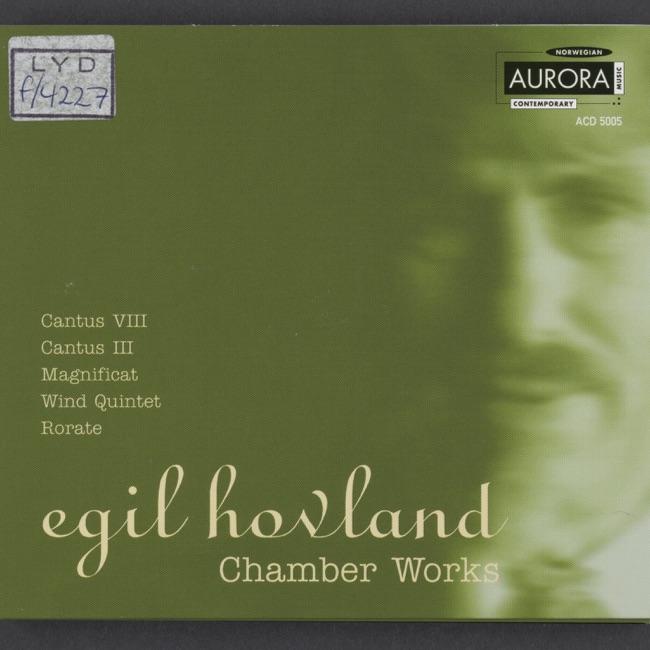
Composer:Egil HovlandGenre:VocalStyle:Vocal MusicCompose Date:1963Average_duration:12:05Magnificat, Op. 44, is a choral composition composed by Egil Hovland, a renowned Norwegian composer, organist, and conductor. This magnificent work was composed in 1967 and had its premiere on December 17, 1967, in Oslo, Norway. $$$The composition consists of six movements, each reflecting a different aspect of the biblical text of the Magnificat, which is the canticle of Mary from the Gospel of Luke. Hovland's setting of the Magnificat is deeply rooted in the choral tradition, yet it incorporates modern harmonies and expressive melodies, creating a unique and captivating musical experience.$$$The first movement, "Magnificat anima mea Dominum" (My soul magnifies the Lord), begins with a powerful and majestic choral entrance, symbolizing the exaltation of Mary's soul. The music then transitions into a more serene and contemplative section, expressing Mary's humility and devotion.$$$The second movement, "Et exultavit spiritus meus" (And my spirit rejoices), is a lively and joyful section, featuring intricate choral interplay and rhythmic vitality. It captures the exuberance and excitement of Mary's proclamation.$$$In the third movement, "Quia respexit humilitatem" (For he has regarded the lowliness), Hovland creates a tender and introspective atmosphere. The music is characterized by gentle melodies and delicate harmonies, reflecting Mary's gratitude for God's mercy and compassion.$$$The fourth movement, "Quia fecit mihi magna" (For he who is mighty has done great things for me), is a powerful and dramatic section. The choral writing is rich and expansive, emphasizing the magnitude of God's blessings and the awe-inspiring nature of Mary's experience.$$$The fifth movement, "Et misericordia" (And his mercy), is a serene and ethereal section. The music is characterized by soaring melodies and lush harmonies, evoking a sense of peace and tranquility. It reflects Mary's contemplation of God's mercy and compassion.$$$The final movement, "Sicut locutus est" (As he spoke to our fathers), is a grand and triumphant conclusion. The choral writing is bold and majestic, symbolizing the fulfillment of God's promises and the hope for a better future.$$$Overall, Hovland's Magnificat, Op. 44, is a masterful composition that combines traditional choral elements with modern harmonies and expressive melodies. It captures the essence of the biblical text, conveying the range of emotions and spiritual significance of Mary's Magnificat.More....
Works Music
Released Music