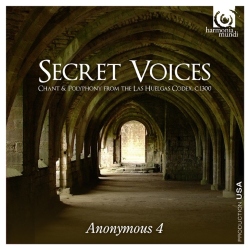
Codex Las Huelgas Anonymous
Castrum pudicicie / Virgo viget melius
Released Album
Recent Album
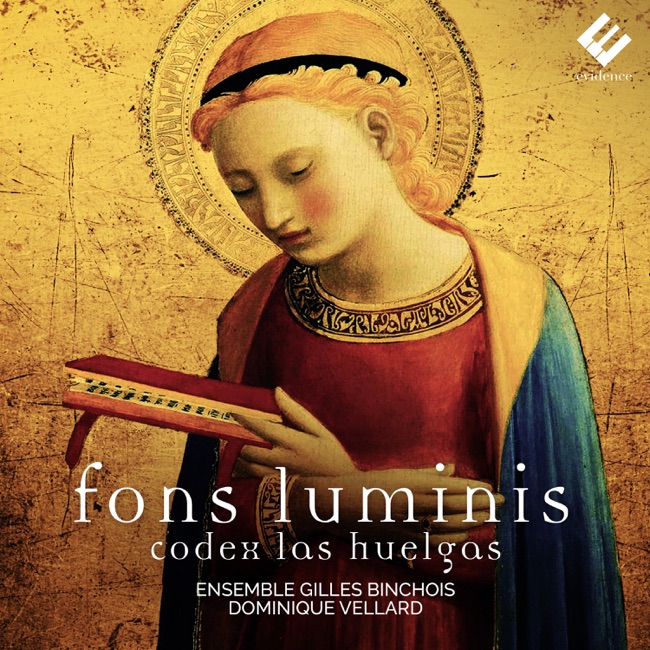
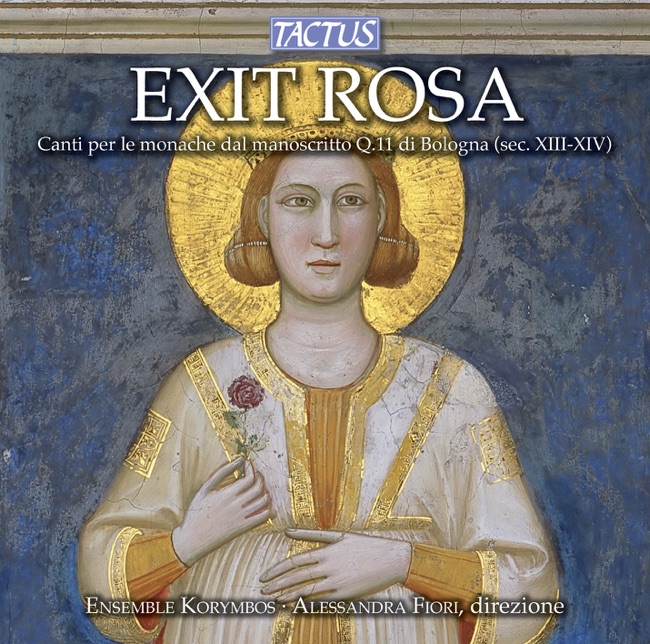
Featured Album
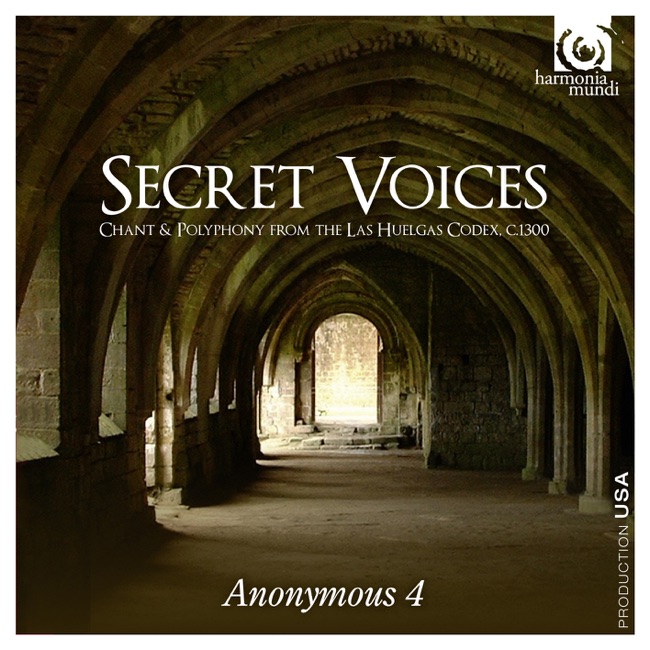
Works Info
Composer:Codex Las Huelgas AnonymousGenre:ChoralStyle:ChoralAverage_duration:2:56"Castrum pudicicie / Virgo viget melius" is a medieval composition that was anonymously composed and found in the Codex Las Huelgas. The Codex Las Huelgas is a manuscript that contains a collection of music from the 14th century, and it is believed to have originated from the Cistercian monastery of Santa María la Real de Las Huelgas in Burgos, Spain. The composition "Castrum pudicicie / Virgo viget melius" is believed to have been composed in the 13th century, and it is a two-part motet. The piece is written in Latin and is dedicated to the Virgin Mary. The first part of the motet, "Castrum pudicicie," is a hymn that praises the Virgin Mary's purity and chastity. The second part, "Virgo viget melius," is a sequence that celebrates the Virgin Mary's power and glory. The composition is characterized by its use of polyphony, which was a common technique in medieval music. The two parts of the motet are sung simultaneously, creating a complex and rich sound. The piece also features a range of vocal techniques, including melismatic singing, where a single syllable is sung over multiple notes, and rhythmic patterns that create a sense of movement and energy. The premiere of "Castrum pudicicie / Virgo viget melius" is unknown, but it is believed to have been performed in religious settings, such as churches and monasteries. The piece is an example of the rich musical tradition of medieval Europe, and it continues to be studied and performed by musicians and scholars today.More....
Works Music
Released Music
1
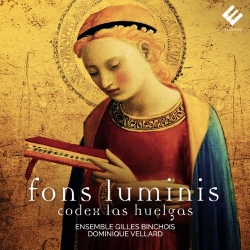
Castrum pudicici / Virgo viget melius
Claustrum pudicicie / Virgo viget melius / Flos filius (Motetus à trois voix)
1:
Featured Music