


Hermann Goetz
Concerto for violin and orchestra in G Major, Op. 22
Released Album
Recent Album
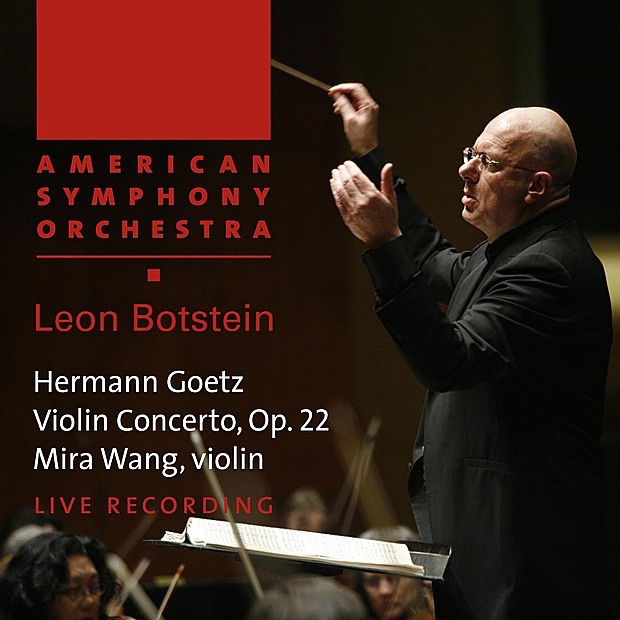
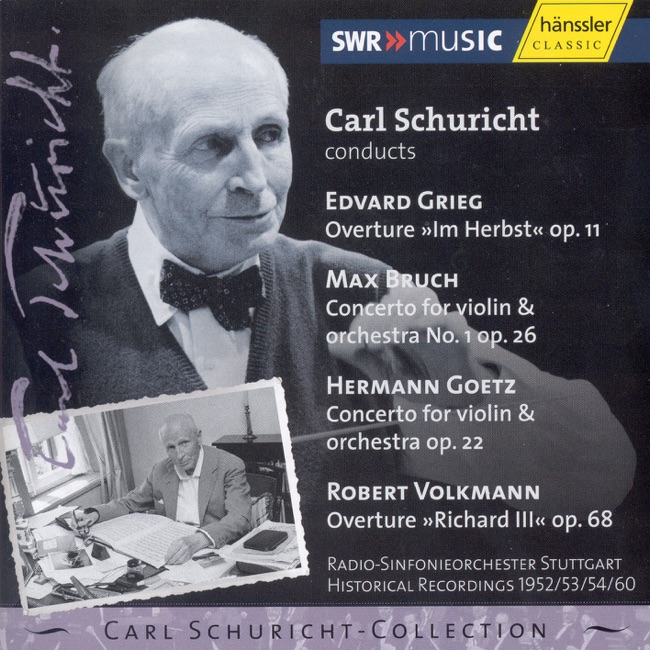
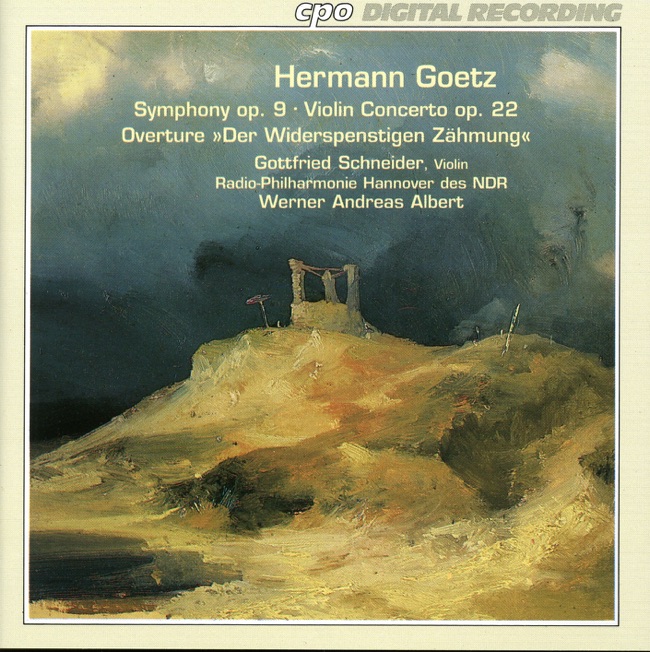
Works Info
Composer:Hermann GoetzGenre:ConcertoStyle:ConcertoCompose Date:1868Average_duration:17:28The Concerto for violin and orchestra in G Major, Op. 22, was composed by Hermann Goetz in 1866. It premiered on January 26, 1867, in Mannheim, Germany, with the composer conducting and the renowned violinist Joseph Joachim as the soloist. The concerto is divided into three movements: Allegro moderato, Adagio, and Allegro vivace. The first movement, Allegro moderato, begins with a lively and energetic orchestral introduction, followed by the entrance of the solo violin. The violin and orchestra engage in a lively dialogue, with the soloist showcasing virtuosic runs and arpeggios. The second theme is more lyrical and introspective, with the violin singing a beautiful melody over a lush orchestral accompaniment. The movement ends with a brilliant cadenza for the solo violin, showcasing the technical prowess of the performer. The second movement, Adagio, is a beautiful and melancholic aria for the violin. The orchestra provides a delicate and sensitive accompaniment, allowing the soloist to express the emotional depth of the music. The violin sings a long and expressive melody, with moments of intense passion and moments of tender introspection. The movement ends with a gentle and peaceful coda, bringing a sense of closure and resolution. The final movement, Allegro vivace, is a lively and joyful dance. The violin and orchestra engage in a playful and energetic dialogue, with the soloist showcasing dazzling virtuosity and technical skill. The music is full of rhythmic vitality and exuberance, with moments of humor and wit. The movement ends with a brilliant and triumphant coda, bringing the concerto to a thrilling conclusion. Overall, the Concerto for violin and orchestra in G Major, Op. 22, is a beautiful and engaging work, showcasing the composer's skillful orchestration and the soloist's technical prowess. The music is full of emotional depth and expressive power, with moments of intense passion and moments of tender introspection. It is a true masterpiece of the Romantic era, and a testament to the enduring power of the violin concerto as a musical form.More....
Works Music
Released Music
1
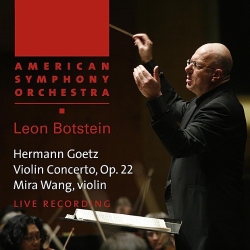
Concerto for violin and orchestra in G Major, Op. 22
Allegro vivace - Andante - Allegro vivace - Vivace scherzando
18:11
2
16:45
3
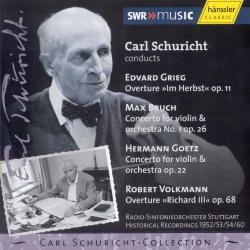
Concerto for violin and orchestra in G Major, Op. 22
Allegro vivace - Andante - Allegro vivace - Vivace scherzando
16:45
4
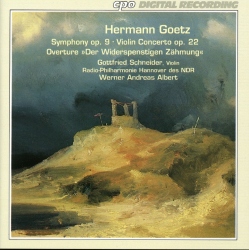
17:39