


Frédéric Chopin
Etude for piano No. 11 in E flat major, Op. 10/11
Released Album
Recent Album
-

-
 Alexander ZelenskyAugust 17, 2022
 -
 Alexander ZelenskyAugust 17, 2022
 -

-
 Alexander ZelenskyAugust 15, 2022
 -
 Alexander ZelenskyAugust 8, 2022
 -
 Александр ЗеленскийJuly 8, 2022
 -

-
 Alexander ZelenskyJuly 4, 2022
 -
 Alexander ZelenskyJuly 2, 2022
 -
 Alexander ZelenskyJune 21, 2022
 -
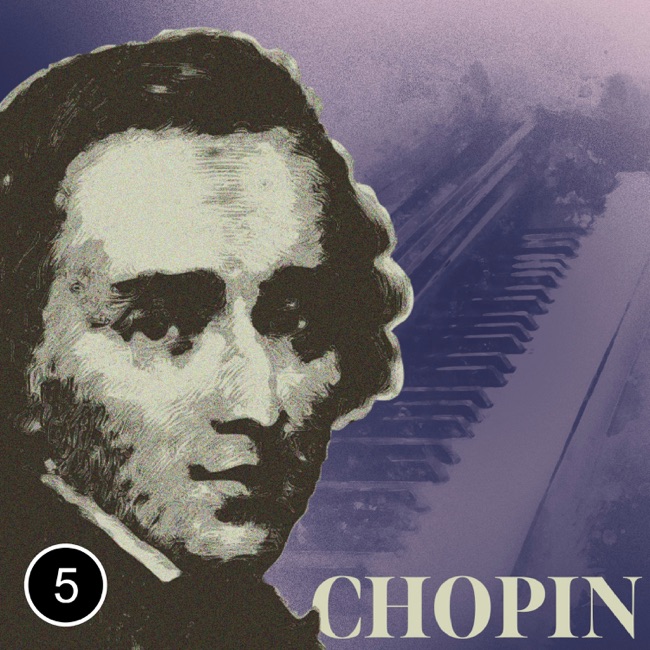
Works Info
Composer:Frédéric ChopinGenre:KeyboardStyle:EtudeCompose Date:1830 - 1832Publication Date:1833Average_duration:2:28Frédéric Chopin's Etude for piano No. 11 in E flat major, Op. 10/11, also known as the "Arpeggio Etude," was composed in 1830 and premiered in Paris the same year. It is one of Chopin's most famous and challenging etudes, and is often used as a technical exercise for pianists. The etude is in three movements, with the first and third being fast and virtuosic, while the second is slower and more lyrical. The first movement is characterized by its rapid arpeggios, which are played in a continuous stream throughout the piece. The second movement is a beautiful and expressive melody, played with a singing tone and delicate touch. The third movement returns to the fast and virtuosic style of the first, with a series of rapid runs and arpeggios that require great technical skill to execute. The "Arpeggio Etude" is known for its technical challenges, particularly in the first and third movements. The rapid arpeggios require precise finger control and a strong sense of rhythm, while the runs in the third movement demand speed and accuracy. The second movement, while less technically demanding, requires a sensitive touch and a deep understanding of phrasing and expression. Despite its technical challenges, the "Arpeggio Etude" is also a beautiful and expressive piece of music. Chopin's use of arpeggios creates a sense of fluidity and motion, while the second movement's lyrical melody is full of emotion and depth. The piece is a testament to Chopin's skill as a composer and his ability to create music that is both technically challenging and emotionally powerful.More....
Works Music
Released Music
2
2:24
3
2:24
4
2:24
5
2:24
6
2:24
7
2:24
8
2:24
9
2:24
10
2:24