Francesco Antonio Bonporti
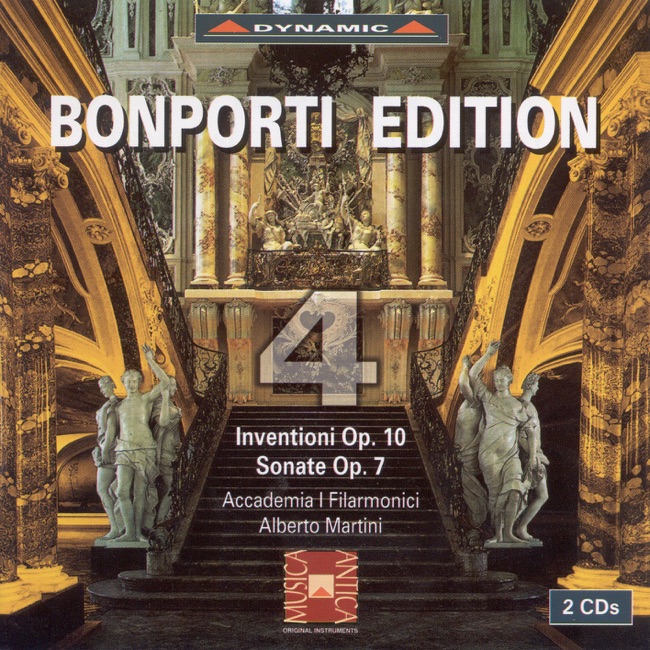
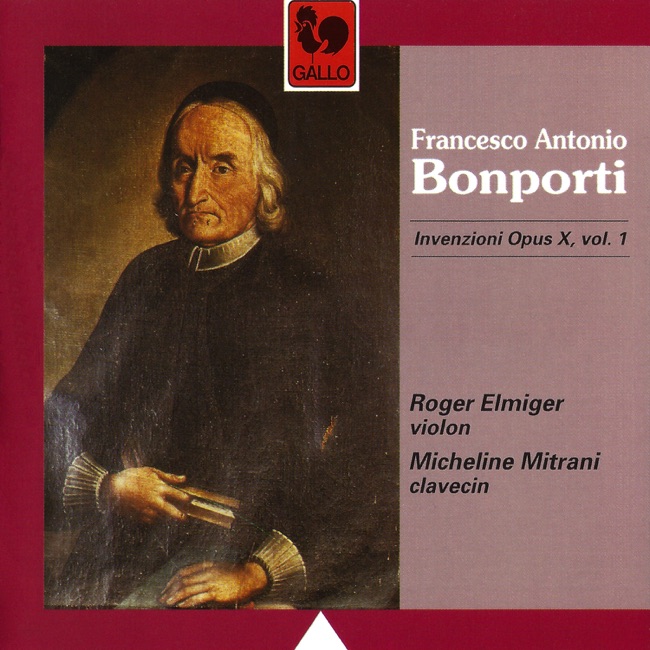
Invenzioni da camera (10), Op. 10 No. 3 in F major
Released Album
Recent Album
Works Info
Composer:Francesco Antonio BonportiGenre:ChamberStyle:Chamber MusicAverage_duration:9:01Movement_count:4Movement ....Invenzioni da camera (10), Op. 10 No. 3 in F major is a chamber music composition by Italian composer Francesco Antonio Bonporti. It was composed in the early 18th century, around 1712-1716. The piece was first premiered in Bonporti's hometown of Trento, Italy. The composition consists of three movements: Allegro, Adagio, and Allegro. The first movement, Allegro, is in F major and is characterized by its lively and energetic tempo. The second movement, Adagio, is in D minor and is a slower, more contemplative piece. The final movement, Allegro, returns to F major and is similar in style to the first movement, with its fast and lively tempo. The piece is written for two violins and basso continuo, which typically includes a harpsichord or organ and a cello or bass viol. The two violins play in harmony throughout the piece, with the basso continuo providing a steady rhythm and harmonic support. Bonporti's Invenzioni da camera (10) is known for its innovative use of counterpoint and its incorporation of elements from both the Baroque and Classical periods. The piece is also notable for its use of ornamentation, which was a common feature of Baroque music. Overall, Invenzioni da camera (10), Op. 10 No. 3 in F major is a lively and engaging chamber music composition that showcases Bonporti's skill as a composer. Its use of counterpoint and ornamentation make it a significant work in the Baroque music canon.More....
Works Music
Released Music