Georg Philipp Telemann
Overture à la Polonoise, TWV 32:2
Released Album
Recent Album

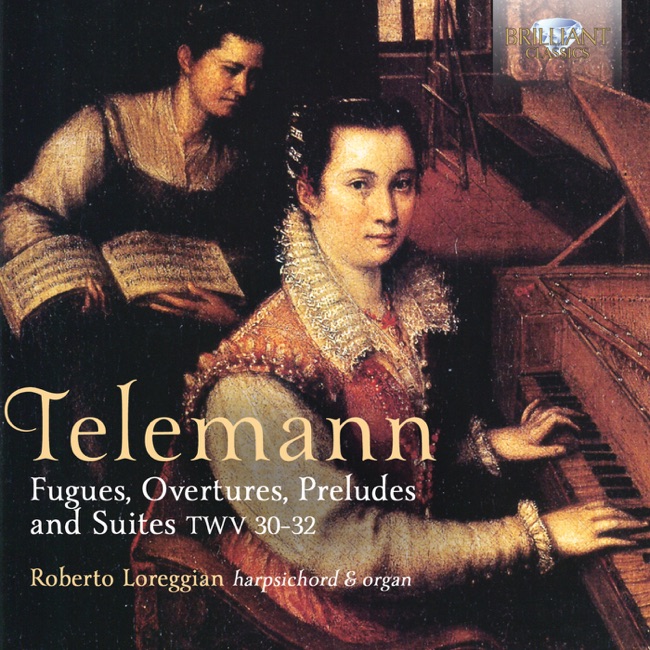

Works Info
Composer:Georg Philipp TelemannGenre:KeyboardStyle:KeyboardCompose Date:1728Publication Date:1728Average_duration:8:53Movement_count:6Movement ....Georg Philipp Telemann's 'Overture à la Polonoise, TWV 32:2' is a Baroque orchestral work that was composed in the early 18th century. The piece was premiered in 1719 in Hamburg, Germany, where Telemann was the music director of the city's five main churches. The 'Overture à la Polonoise' is a suite of dances that is structured in the form of a French overture. The piece is divided into six movements, each of which is characterized by a different dance style. The first movement is a slow and stately introduction that features dotted rhythms and a majestic melody. This is followed by a lively and energetic polonaise, which is a traditional Polish dance that was popular in the Baroque era. The third movement is a graceful and elegant sarabande, which is a slow dance that originated in Spain. This is followed by a lively bourrée, which is a fast and lively dance that was popular in France. The fifth movement is a charming and playful minuet, which is a dance that originated in the court of Louis XIV. The final movement is a lively and energetic gigue, which is a fast dance that originated in England. The 'Overture à la Polonoise' is characterized by Telemann's skillful use of orchestration and his ability to blend different dance styles into a cohesive whole. The piece features a wide range of instruments, including strings, woodwinds, and brass, and Telemann uses these instruments to create a rich and varied sound. The piece is also notable for its use of counterpoint, which is a technique that involves the interweaving of different melodies to create a complex and harmonically rich texture. Overall, the 'Overture à la Polonoise' is a lively and engaging work that showcases Telemann's skill as a composer and his ability to blend different musical styles into a cohesive whole. The piece remains popular today and is frequently performed by orchestras around the world.More....