Georg Philipp Telemann
Overture, suite for harpsichord in E flat major, TWV 32:9
Released Album
Recent Album
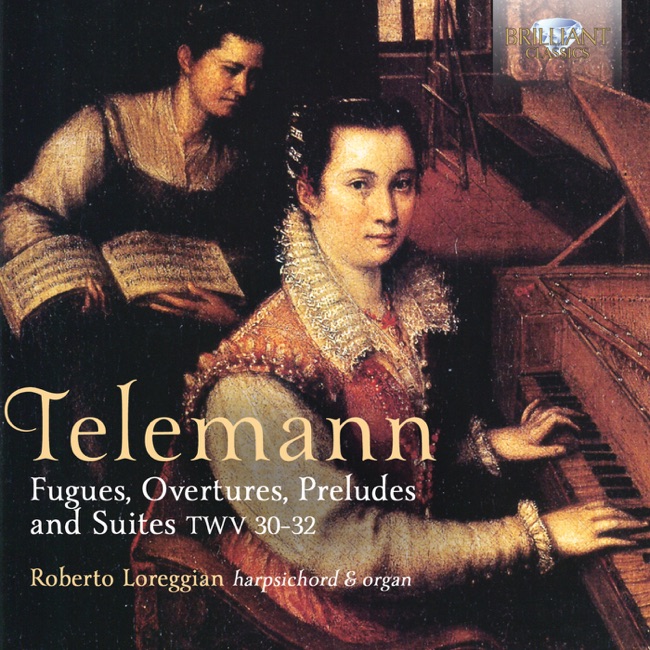
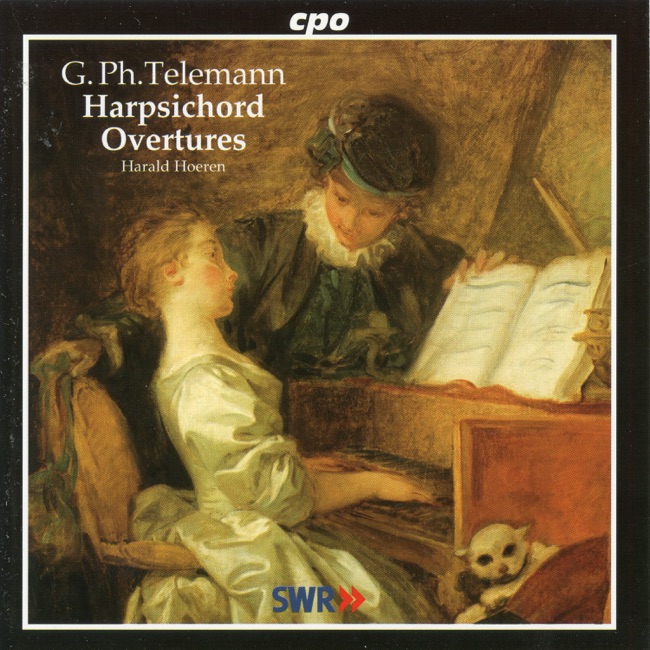
Featured Album
Works Info
Composer:Georg Philipp TelemannGenre:KeyboardStyle:KeyboardCompose Date:1742Publication Date:1742Average_duration:10:34Georg Philipp Telemann's 'Overture, suite for harpsichord in E flat major, TWV 32:9' is a baroque composition that was composed in the early 18th century. The piece was premiered in 1716 and is one of Telemann's most popular works for the harpsichord. The suite consists of six movements, each with its own unique characteristics and style. The first movement of the suite is the overture, which is in the French style. It is a slow and stately introduction to the suite, with a dotted rhythm and a majestic melody. The second movement is a lively and energetic allemande, which is a popular dance form of the time. The third movement is a graceful and elegant courante, which is also a popular dance form. The fourth movement is a lively and playful gavotte, which is a dance that originated in France. The fifth movement is a slow and expressive sarabande, which is a Spanish dance that was popular in the baroque era. The final movement is a fast and lively gigue, which is a popular dance form that originated in England. The suite is characterized by its use of counterpoint, which is the technique of combining two or more melodic lines in a way that creates harmony. Telemann uses this technique throughout the suite to create a rich and complex sound. The suite also features a variety of textures, from the solo harpsichord to the full ensemble. Overall, Telemann's 'Overture, suite for harpsichord in E flat major, TWV 32:9' is a beautiful and intricate work that showcases the composer's skill and creativity. Its popularity has endured for centuries, and it remains a beloved piece of music for harpsichordists and baroque music enthusiasts alike.More....
Works Music
Released Music
1
5:1
3
Overture, suite for harpsichord in E flat major, TWV 32:9
I. Andante grazioso - Allegro - Andante grazioso
4:57
4
Overture, suite for harpsichord in E flat major, TWV 32:9
1. (Andante grazioso - Allegro - Andante grazioso)
4:57
Featured Music