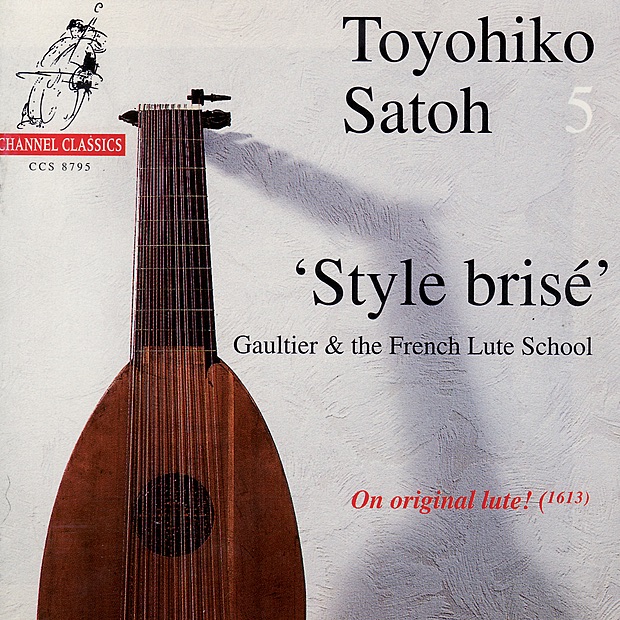
Denis Gaultier
Cleopatre Amante - Double
Works Info
Composer:Denis GaultierGenre:ChamberStyle:Chamber MusicAverage_duration:3:18Denis Gaultier's 'Cleopatre Amante - Double' is a suite of pieces for the lute, composed in the early 17th century. The exact date of composition is unknown, but it is believed to have been written around 1630. The suite was first performed in Paris, and it quickly became popular among lute players of the time. The suite consists of six movements, each of which is named after a different character from the story of Cleopatra. The movements are as follows: 'Cleopatre', 'Antoine', 'Octave', 'Cleopatre et Antoine', 'Cleopatre et Octave', and 'La Mort de Cleopatre'. Each movement is characterized by its own unique melody and rhythm, and the suite as a whole is known for its intricate harmonies and complex counterpoint. One of the most notable features of 'Cleopatre Amante - Double' is its use of the 'double' technique. This involves playing a melody in one hand while simultaneously playing a variation of that melody in the other hand. The result is a rich, layered sound that is both complex and beautiful. Another characteristic of the suite is its use of ornamentation. Gaultier was known for his skill in ornamentation, and 'Cleopatre Amante - Double' is no exception. The suite is filled with trills, mordents, and other embellishments that add depth and complexity to the music. Overall, 'Cleopatre Amante - Double' is a masterpiece of the lute repertoire. Its intricate harmonies, complex counterpoint, and use of the double technique and ornamentation make it a challenging and rewarding piece for lute players to perform. Its premiere in Paris in the early 17th century marked a significant moment in the history of lute music, and it continues to be admired and studied by musicians and music lovers today.More....