Johann Adolf Hasse
Concerto for mandolin in G
Released Album
Recent Album
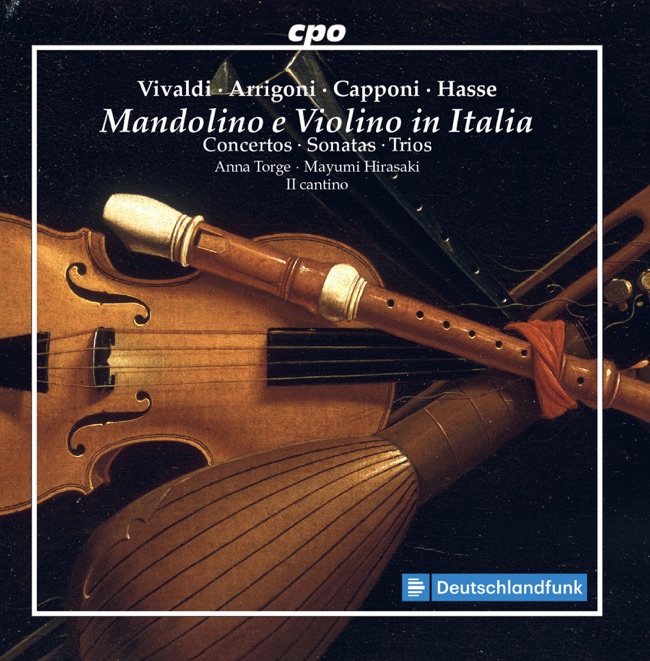

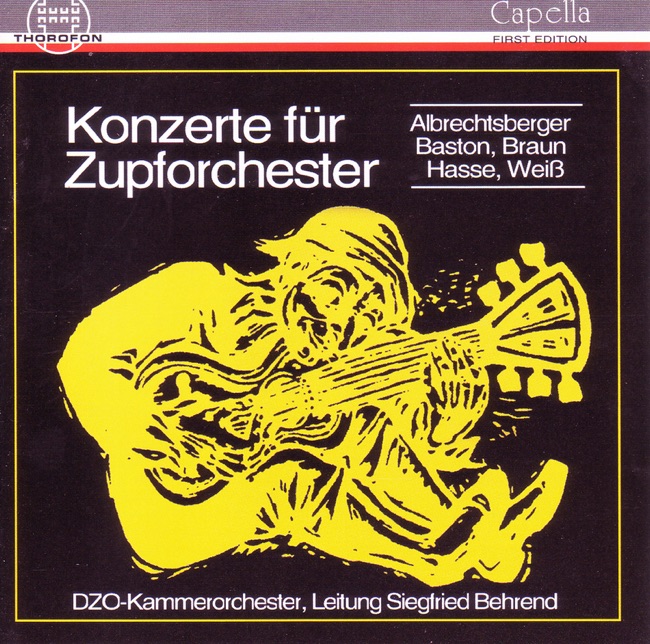
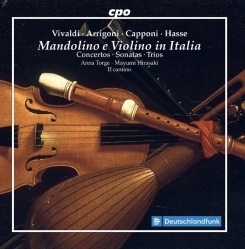
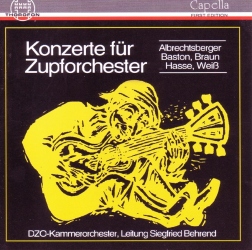
Works Info
Composer:Johann Adolf HasseGenre:ChamberAverage_duration:7:32Movement_count:3Movement ....Johann Adolf Hasse's Concerto for mandolin in G is a beautiful and virtuosic work that was composed in the mid-18th century. The piece was premiered in Dresden, Germany, in 1763, and it quickly became a popular work among mandolin players and enthusiasts. The concerto is comprised of three movements: Allegro, Andante, and Allegro. The first movement is a lively and energetic piece that showcases the mandolin's agility and virtuosity. The second movement is a slower and more contemplative piece that features a beautiful melody played by the mandolin. The final movement is a fast and exciting piece that brings the concerto to a thrilling conclusion. One of the most notable characteristics of Hasse's Concerto for mandolin in G is its use of the mandolin as a solo instrument. At the time the piece was composed, the mandolin was not a commonly used instrument in classical music, and Hasse's concerto helped to popularize the instrument and showcase its unique sound and capabilities. Another characteristic of the concerto is its use of ornamentation and virtuosic passages. Hasse was known for his ability to write technically demanding music that was still beautiful and expressive, and this concerto is no exception. The mandolin part is filled with fast runs, trills, and other ornamentation that require a high level of skill and precision from the performer. Overall, Johann Adolf Hasse's Concerto for mandolin in G is a beautiful and exciting work that showcases the unique sound and capabilities of the mandolin. Its premiere in 1763 helped to popularize the instrument and establish it as a viable solo instrument in classical music.More....