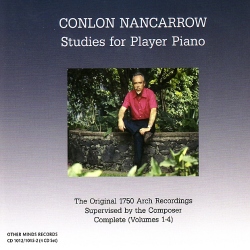
Conlon Nancarrow
Study for Player Piano No. 3e
Released Album
Recent Album
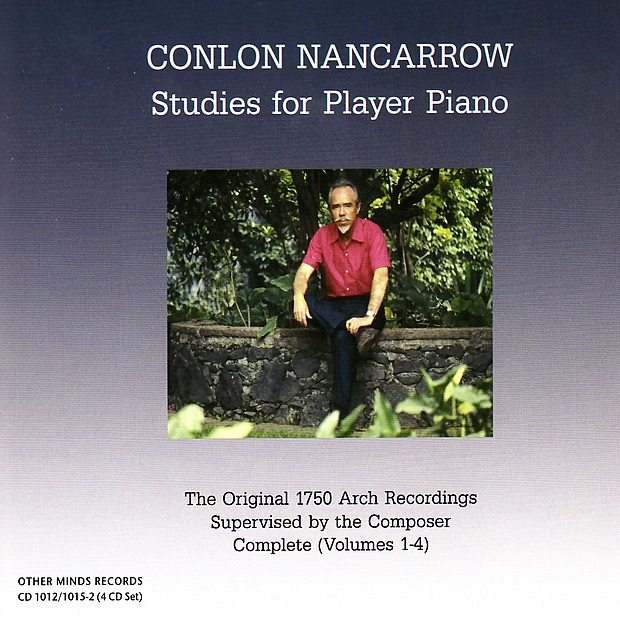
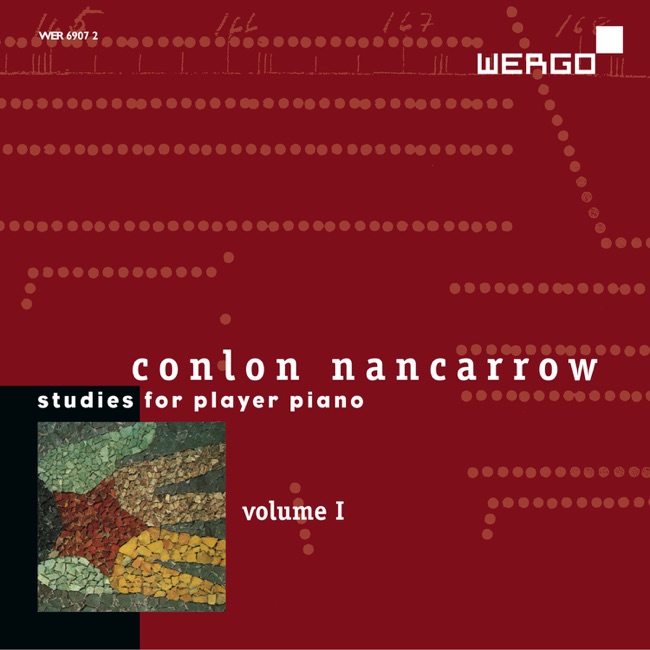
Works Info
Composer:Conlon NancarrowGenre:KeyboardStyle:KeyboardAverage_duration:2:15Conlon Nancarrow's 'Study for Player Piano No. 3e' is a composition that was created in the year 1957. The piece was premiered in the same year in Mexico City. The composition is a part of Nancarrow's larger collection of works for the player piano, which he began composing in the 1940s. The 'Study for Player Piano No. 3e' is a complex and intricate composition that is divided into three movements. The first movement is marked by a fast and frenetic pace, with the player piano producing a flurry of notes that are played at a rapid tempo. The second movement is slower and more contemplative, with the piano producing a series of sustained chords that create a sense of tension and release. The final movement returns to the fast and frenetic pace of the first movement, with the piano producing a series of complex rhythms and patterns that are both challenging and exhilarating to listen to. One of the defining characteristics of Nancarrow's 'Study for Player Piano No. 3e' is its use of complex rhythms and polyrhythms. The composition features a variety of different rhythms that are played simultaneously, creating a sense of complexity and depth that is unique to Nancarrow's work. Additionally, the composition is notable for its use of dissonance and unconventional harmonies, which create a sense of tension and unease that is both challenging and rewarding for the listener. Overall, Nancarrow's 'Study for Player Piano No. 3e' is a challenging and complex composition that showcases the composer's unique approach to music. Through its use of complex rhythms, unconventional harmonies, and intricate patterns, the composition creates a sense of depth and complexity that is both challenging and rewarding for the listener.More....
Works Music