Orlando Gibbons
O Lord, how do my woes increase
Released Album
Recent Album
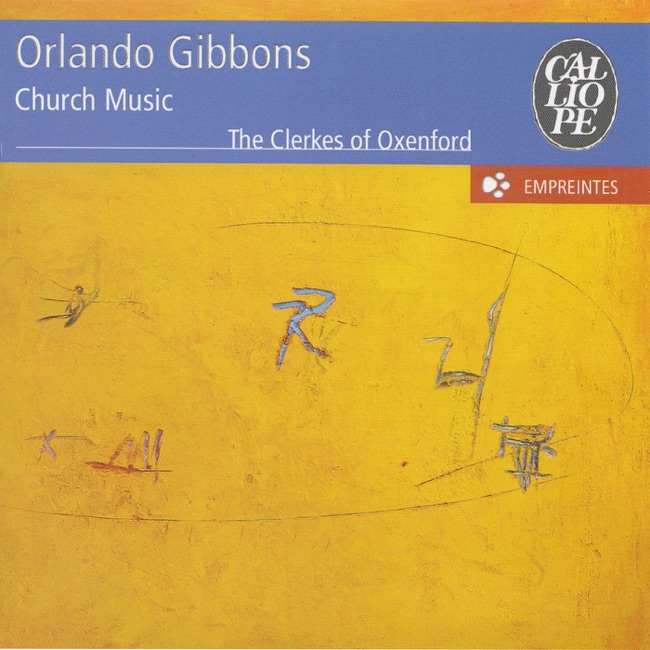
Works Info
Composer:Orlando GibbonsGenre:ChoralStyle:Part SongPublication Date:1614Average_duration:1:24Orlando Gibbons was an English composer of the Renaissance era, born in 1583. He was a prolific composer of both sacred and secular music, and his works are still performed and admired today. One of his most famous compositions is the anthem "O Lord, how do my woes increase," which was composed in the early 17th century. The anthem is written for four voices, and it is a setting of a text from Psalm 25. The piece is in the key of G minor, and it is characterized by its somber and mournful tone. The text of the anthem is a lamentation, expressing the speaker's sorrow and despair in the face of adversity. The anthem is divided into three movements. The first movement is a slow and mournful introduction, in which the four voices sing in unison. The second movement is a faster and more complex section, in which the voices weave in and out of each other, creating a rich and intricate texture. The third movement returns to the slow and mournful tone of the first, with the voices singing in unison once again. The anthem is notable for its use of chromaticism, which was a relatively new technique in the early 17th century. Gibbons uses chromaticism to create a sense of tension and dissonance, which reflects the emotional turmoil expressed in the text of the anthem. The piece also features a number of expressive vocal techniques, such as melismatic passages and dramatic dynamic contrasts. "O Lord, how do my woes increase" was first performed in the early 17th century, and it has remained a popular and enduring piece of choral music ever since. Its haunting melody and poignant lyrics continue to resonate with audiences today, making it a testament to Gibbons' skill as a composer and his ability to capture the essence of human emotion in his music.More....
Works Music