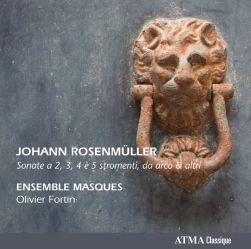
Johann Rosenmüller
Sonata No. 4 à 3
Released Album
Recent Album
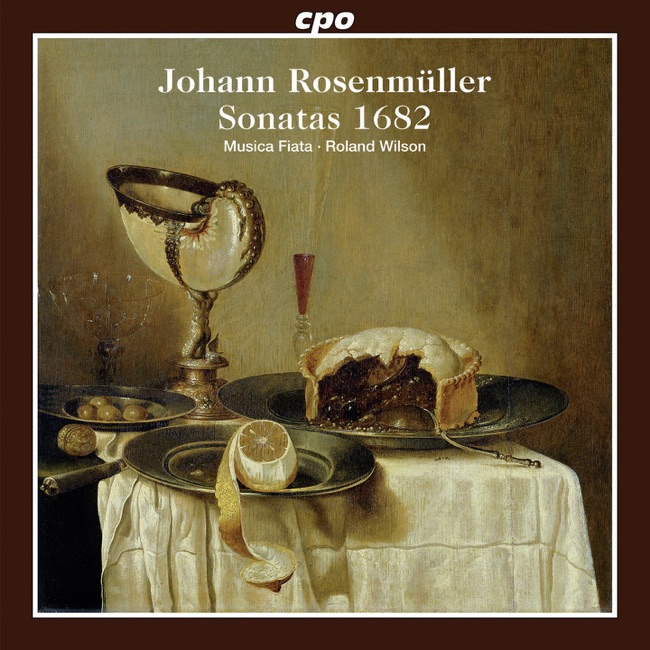

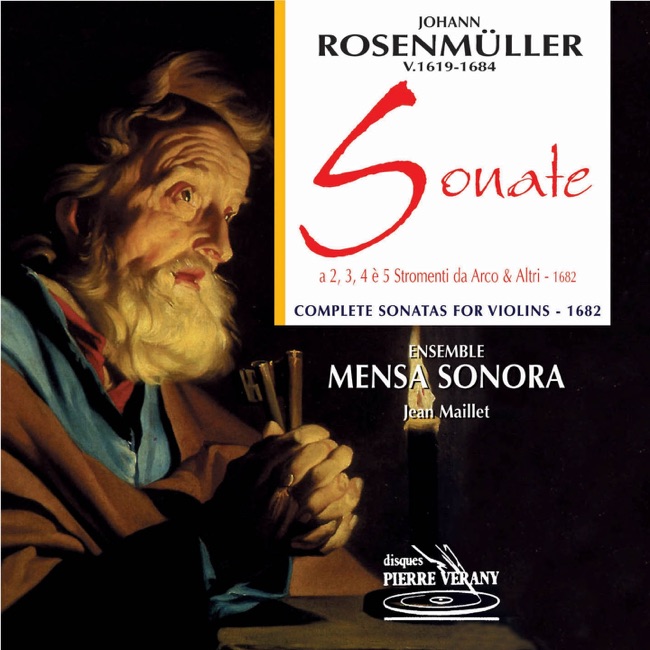
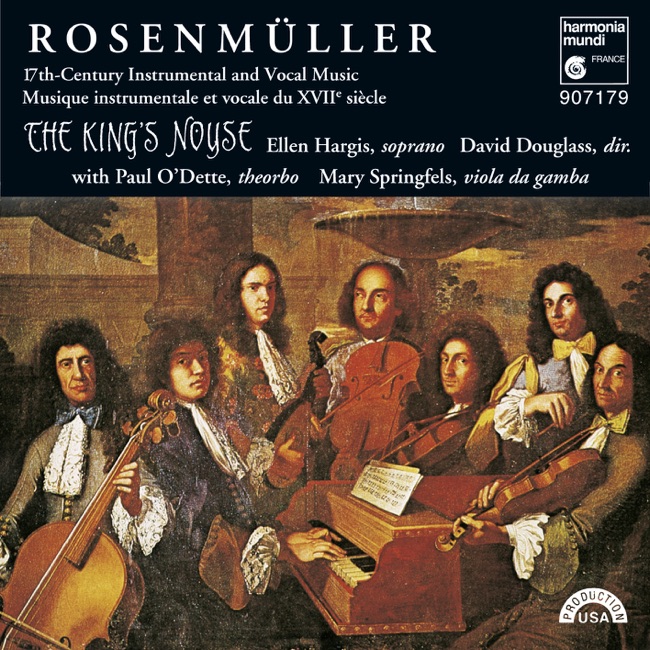
Featured Album
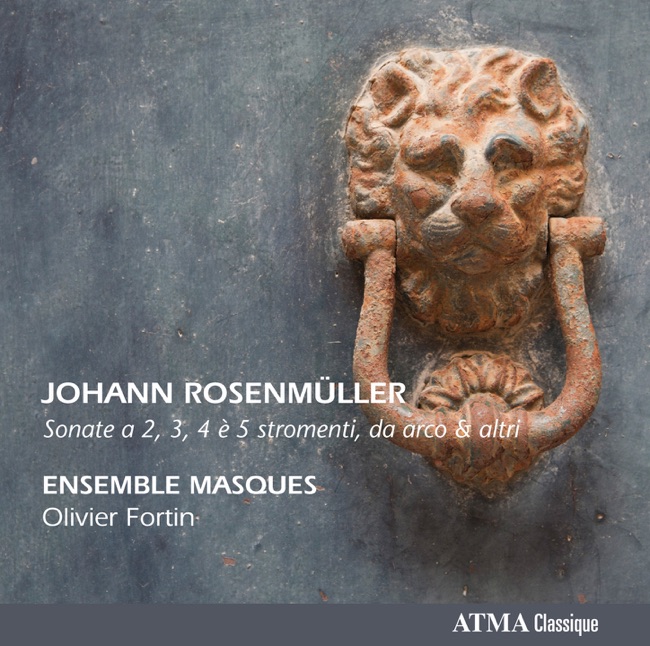
Works Info
Composer:Johann RosenmüllerGenre:MiscellaneousStyle:SonataCompose Date:1682Average_duration:6:02Johann Rosenmüller was a German Baroque composer who lived from 1619 to 1684. He was known for his instrumental music, particularly his sonatas. One of his most famous works is Sonata No. 4 à 3. Sonata No. 4 à 3 was composed in the mid-17th century, although the exact date is unknown. It was likely written during Rosenmüller's time in Venice, where he worked as a musician for several years. The piece is scored for three instruments: two violins and a basso continuo (usually played on a cello or harpsichord). The sonata is divided into four movements. The first movement is a lively and energetic Allegro, characterized by its fast tempo and intricate violin parts. The second movement is a slower Adagio, which features a more lyrical melody and a more subdued mood. The third movement is a lively and dance-like Allegro, with a catchy melody and a strong rhythmic pulse. The final movement is a fast and virtuosic Presto, which showcases the technical abilities of the violinists. One of the most notable characteristics of Sonata No. 4 à 3 is its use of counterpoint. Rosenmüller was known for his skill in writing complex and intricate counterpoint, and this sonata is no exception. The violin parts often weave in and out of each other, creating a rich and layered texture. The basso continuo provides a solid foundation for the violin parts, but also has moments of virtuosity and improvisation. Overall, Sonata No. 4 à 3 is a prime example of Baroque instrumental music. It showcases the technical abilities of the performers, while also highlighting the composer's skill in writing complex and intricate music.More....
Works Music
Released Music
3
5:30
Featured Music