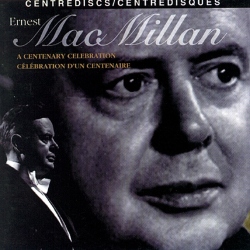
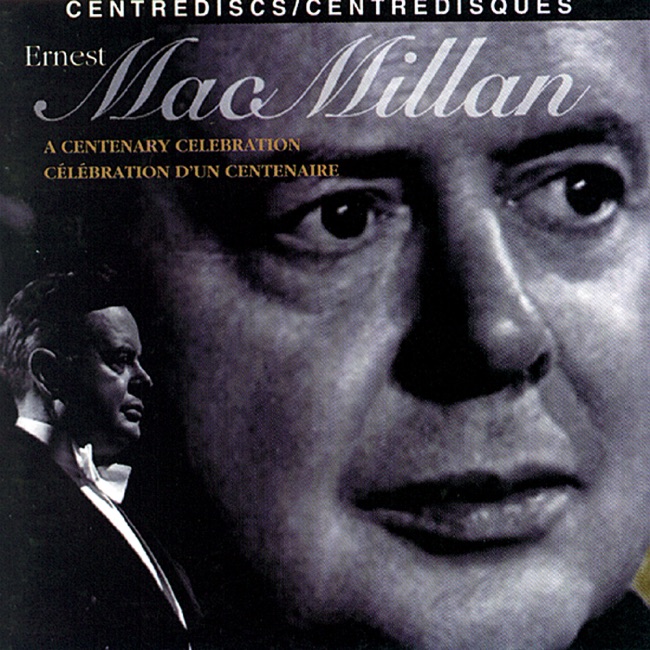
Ernest MacMillan
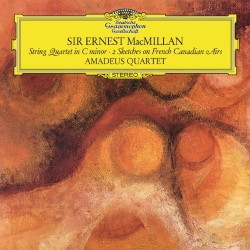
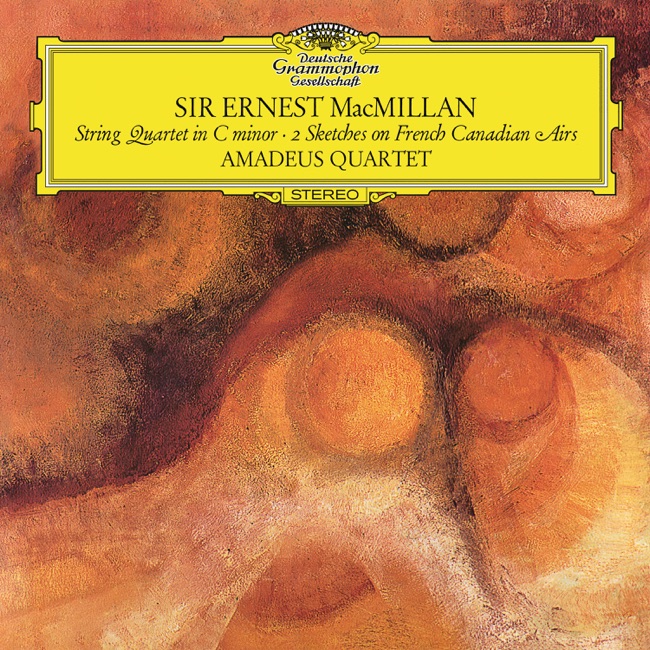
String quartet in C minor
Released Album
Recent Album
Works Info
Composer:Ernest MacMillanGenre:ChamberStyle:QuartetCompose Date:1914 - 1918Average_duration:26:19Movement_count:4Movement ....Ernest MacMillan's String Quartet in C minor was composed in 1935 and premiered on March 12, 1936, by the Hart House String Quartet in Toronto, Canada. The quartet consists of four movements: Allegro moderato, Scherzo: Allegro vivace, Adagio, and Allegro con fuoco. The first movement, Allegro moderato, begins with a somber and melancholic theme in the cello, which is then taken up by the viola and first violin. The second theme is more lively and rhythmic, with a syncopated rhythm in the second violin. The development section explores the themes in a more contrapuntal and complex manner, leading to a dramatic recapitulation of the opening theme. The second movement, Scherzo: Allegro vivace, is a lively and playful scherzo with a contrasting trio section. The scherzo features a rhythmic motif in the first violin that is passed around the quartet, while the trio section is more lyrical and melodic. The third movement, Adagio, is the emotional heart of the quartet. It begins with a hauntingly beautiful melody in the first violin, accompanied by pizzicato chords in the other instruments. The melody is then passed around the quartet, with each instrument adding its own voice to the texture. The middle section of the movement is more turbulent and dissonant, with the quartet exploring a range of emotions before returning to the opening melody. The final movement, Allegro con fuoco, is a fiery and energetic finale. It begins with a driving rhythm in the lower instruments, which is then taken up by the first violin in a virtuosic display of technique. The movement features a number of contrasting themes and textures, building to a thrilling conclusion. Overall, MacMillan's String Quartet in C minor is a powerful and emotional work that showcases the composer's skill in writing for the string quartet medium. The quartet is notable for its use of rich harmonies, complex counterpoint, and expressive melodies, and remains an important work in the Canadian chamber music repertoire.More....
Works Music
Released Music