William Byrd
Ne perdas cum impiis
Released Album
Featured Album
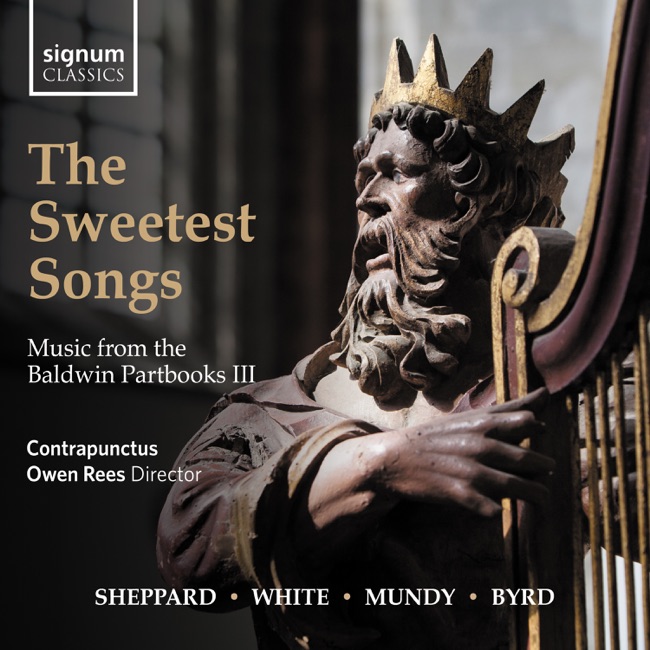
Works Info
Composer:William ByrdGenre:ChoralStyle:MotetAverage_duration:3:52"Ne perdas cum impiis" is a sacred motet composed by William Byrd, an English composer of the Renaissance period. The piece was composed in the late 16th century, during the reign of Queen Elizabeth I. It was first performed in the Chapel Royal, London, in 1591. The motet is written for four voices, with the text taken from Psalm 26:9-10. The piece is divided into three movements, with the first and third movements being in duple meter and the second movement in triple meter. The first movement is marked "Allegro," and features a lively and rhythmic melody that is passed between the voices. The second movement is marked "Adagio," and is more contemplative in nature, with a slower tempo and more sustained harmonies. The third movement is marked "Allegro," and returns to the lively and rhythmic character of the first movement. The piece is characterized by its use of imitative polyphony, in which the voices imitate each other's melodies in a contrapuntal fashion. Byrd also employs a variety of musical techniques, such as chromaticism and dissonance, to create a sense of tension and release throughout the piece. The motet is also notable for its use of word painting, in which the music reflects the meaning of the text. For example, the word "impiis" (meaning "with the wicked") is set to a dissonant and unsettling harmony. Overall, "Ne perdas cum impiis" is a masterful example of Byrd's skill as a composer of sacred music. Its intricate polyphony, expressive harmonies, and vivid word painting make it a powerful and moving work that continues to be performed and admired today.More....
Works Music
Featured Music