Friedrich Kuhlau
Sonata for flute & piano in E minor, Op. 71
Released Album
Recent Album
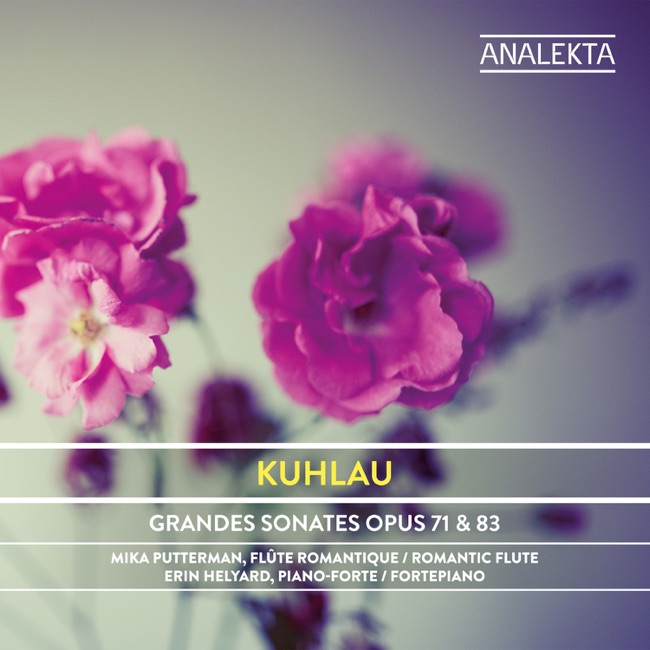
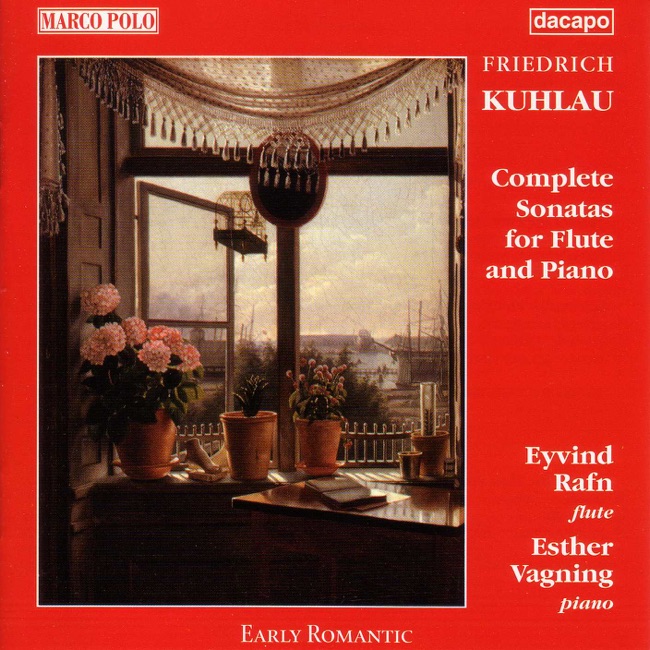
Works Info
Composer:Friedrich KuhlauGenre:ChamberStyle:SonataAverage_duration:23:48Friedrich Kuhlau's Sonata for flute & piano in E minor, Op. 71, was composed in 1824. The piece premiered in Copenhagen, Denmark, in the same year. The sonata consists of three movements: Allegro moderato, Adagio, and Rondo: Allegro. The first movement, Allegro moderato, begins with a melancholic and expressive flute melody, which is then echoed by the piano. The movement is characterized by its lyrical and flowing melodies, which are contrasted by more virtuosic and energetic passages. The development section features a dialogue between the flute and piano, with both instruments taking turns to play the main theme. The movement ends with a recapitulation of the main theme, followed by a coda that brings the movement to a peaceful close. The second movement, Adagio, is a slow and introspective piece that showcases the expressive capabilities of both the flute and piano. The flute plays a mournful melody, which is accompanied by the piano's gentle arpeggios. The movement is characterized by its use of chromaticism and dissonance, which create a sense of tension and unease. The middle section of the movement features a more hopeful and optimistic melody, which is then followed by a return to the opening theme. The movement ends with a quiet and contemplative coda. The final movement, Rondo: Allegro, is a lively and energetic piece that features a playful and catchy flute melody. The movement is characterized by its use of syncopation and rhythmic complexity, which create a sense of excitement and anticipation. The middle section of the movement features a more lyrical and expressive melody, which is then followed by a return to the opening theme. The movement ends with a virtuosic and energetic coda, which brings the sonata to a thrilling close. Overall, Kuhlau's Sonata for flute & piano in E minor, Op. 71, is a beautiful and expressive piece that showcases the composer's mastery of melody and harmony. The sonata is characterized by its lyrical and flowing melodies, its use of chromaticism and dissonance, and its virtuosic and energetic passages. It remains a popular and beloved work in the flute repertoire to this day.More....
Works Music
Released Music