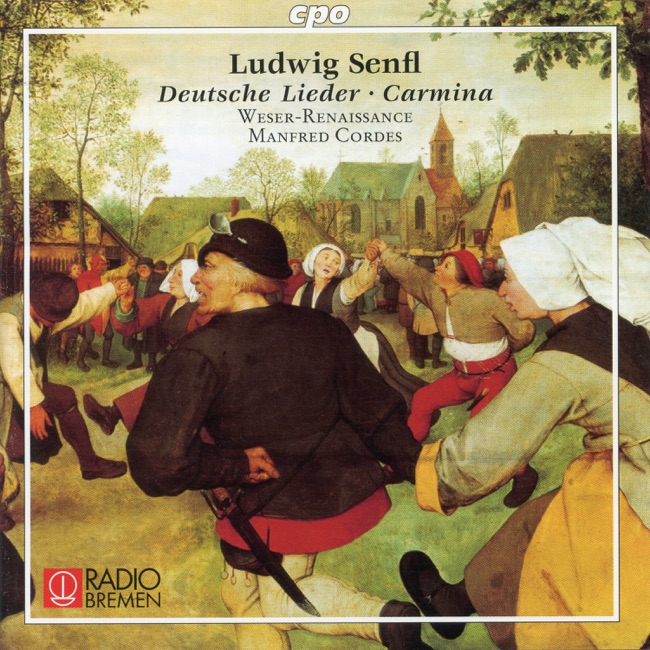
Ludwig Senfl
Es wollt ein Frau zuem Weine gahn
Released Album
Recent Album
Works Info
Composer:Ludwig SenflGenre:VocalStyle:Vocal MusicAverage_duration:0:59"Es wollt ein Frau zuem Weine gahn" is a German folk song that was arranged by Ludwig Senfl, a prominent composer of the Renaissance era. The composition is believed to have been created in the early 16th century, during the height of the Renaissance period. The song was first performed in the courts of the Holy Roman Empire, where it quickly gained popularity among the nobility and the common people alike. The composition is divided into three movements, each of which is characterized by a distinct melody and rhythm. The first movement is a lively and upbeat dance, featuring a fast-paced melody and a driving rhythm. The second movement is more subdued, with a slower tempo and a more contemplative melody. The final movement is a return to the lively and energetic style of the first movement, with a fast-paced melody and a driving rhythm. One of the most notable characteristics of "Es wollt ein Frau zuem Weine gahn" is its use of polyphony, a technique that was popular during the Renaissance era. Polyphony involves the use of multiple voices or instruments playing different melodies simultaneously, creating a rich and complex sound. Senfl's arrangement of the folk song features multiple voices singing different parts, creating a rich and harmonious sound that is characteristic of Renaissance music. Another notable characteristic of the composition is its use of repetition and variation. Throughout the three movements, Senfl repeats certain melodies and rhythms, but he also introduces variations and embellishments that keep the music fresh and interesting. This use of repetition and variation is a hallmark of Renaissance music, and it helps to create a sense of unity and coherence throughout the composition. Overall, "Es wollt ein Frau zuem Weine gahn" is a beautiful and lively composition that showcases the talents of Ludwig Senfl and the rich musical traditions of the Renaissance era. Its use of polyphony, repetition, and variation make it a classic example of Renaissance music, and its popularity among audiences both then and now is a testament to its enduring appeal.More....
Works Music