


Michel-Richard Delalande
Te Deum laudamus, S. 32
Released Album
Recent Album
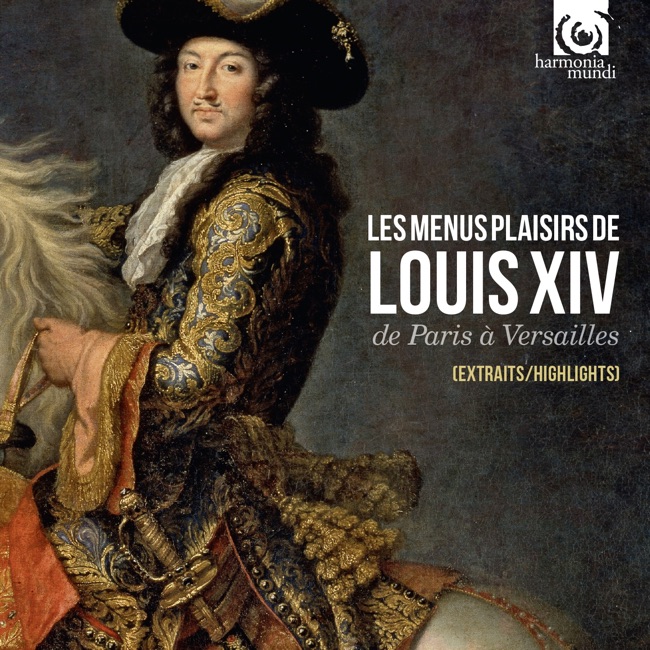
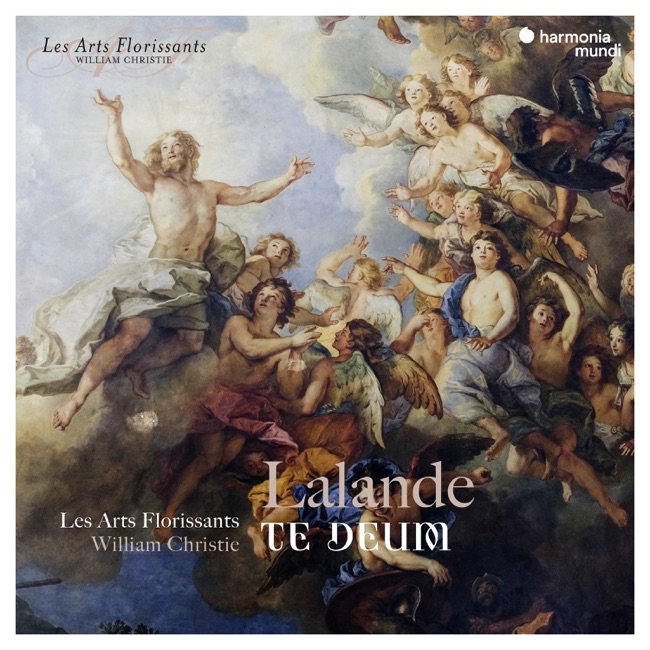
Featured Album
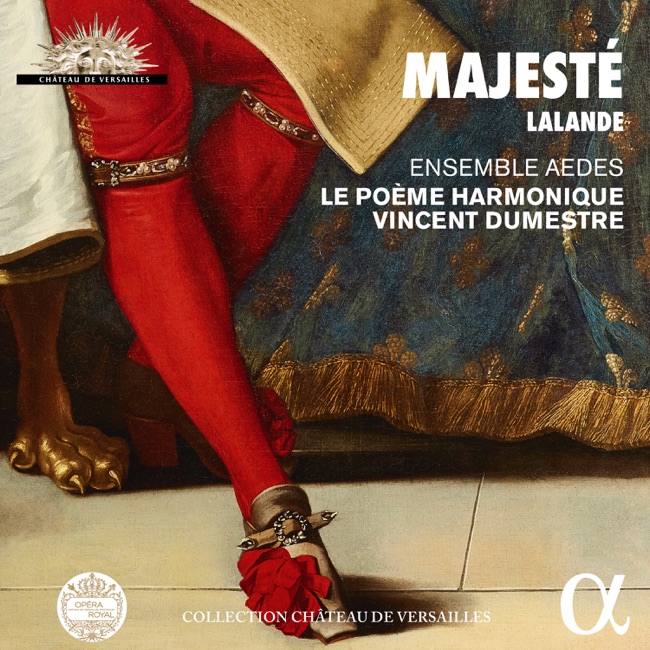
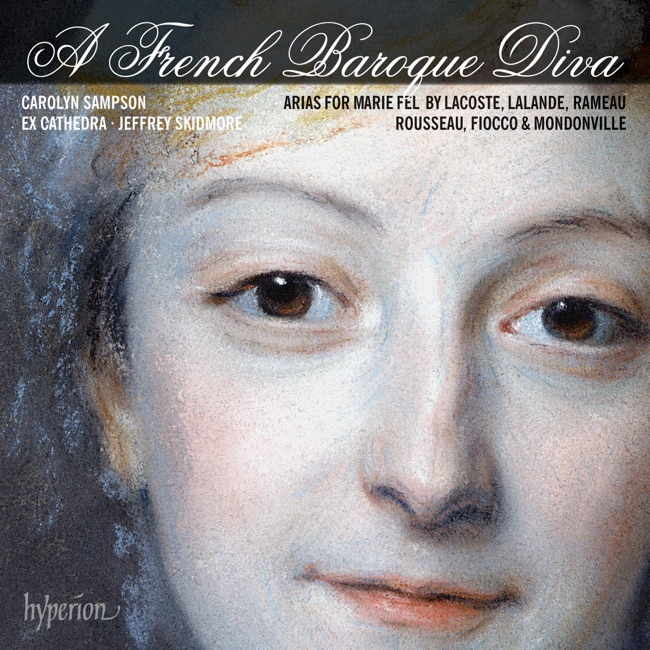
Works Info
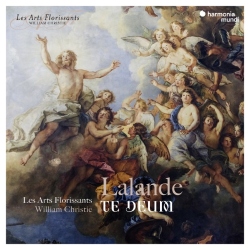
Composer:Michel-Richard DelalandeGenre:ChoralStyle:ChoralCompose Date:1684Publication Date:1951Average_duration:23:17Movement_count:13Movement ....Michel-Richard Delalande's 'Te Deum laudamus, S. 32' is a grand and majestic choral work that was composed in the late 17th century. The piece was first performed in 1677 at the church of Saint-Sulpice in Paris, France. It was written for the royal court of Louis XIV, who was a great patron of the arts and music. The 'Te Deum laudamus' is divided into 12 movements, each of which is characterized by its own unique style and mood. The first movement, 'Te Deum laudamus', is a grand and majestic opening that sets the tone for the rest of the piece. It features a full choir and orchestra, with soaring melodies and powerful harmonies. The second movement, 'Te aeternum Patrem', is a more subdued and contemplative piece that features a solo soprano and a small ensemble. It is followed by the third movement, 'Pleni sunt caeli', which is a lively and energetic piece that features a full choir and orchestra. The fourth movement, 'Te per orbem terrarum', is a more somber and reflective piece that features a solo tenor and a small ensemble. It is followed by the fifth movement, 'Tu devicto mortis aculeo', which is a triumphant and celebratory piece that features a full choir and orchestra. The sixth movement, 'Te ergo quaesumus', is a more introspective and prayerful piece that features a solo bass and a small ensemble. It is followed by the seventh movement, 'Aeterna fac', which is a joyful and exuberant piece that features a full choir and orchestra. The eighth movement, 'Per singulos dies', is a more intimate and personal piece that features a solo alto and a small ensemble. It is followed by the ninth movement, 'Dignare Domine', which is a powerful and dramatic piece that features a full choir and orchestra. The tenth movement, 'Fiat misericordia', is a more subdued and contemplative piece that features a solo soprano and a small ensemble. It is followed by the eleventh movement, 'In te Domine speravi', which is a hopeful and uplifting piece that features a full choir and orchestra. The final movement, 'Salvum fac populum tuum', is a grand and majestic finale that features a full choir and orchestra. It is a triumphant and celebratory piece that brings the entire work to a powerful and satisfying conclusion. Overall, Delalande's 'Te Deum laudamus, S. 32' is a masterful work of choral music that showcases the composer's skill and creativity. Its grand and majestic style, combined with its intimate and personal moments, make it a timeless masterpiece that continues to inspire and move audiences to this day.More....
Works Music
Released Music
Featured Music
Main Perform Artists
Soprano (Vocal)
Tenor (Vocal)