Gregorian Chant
Quae est ista quae ascendit
Released Album
Recent Album
Works Info
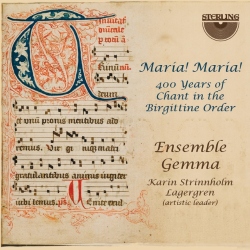
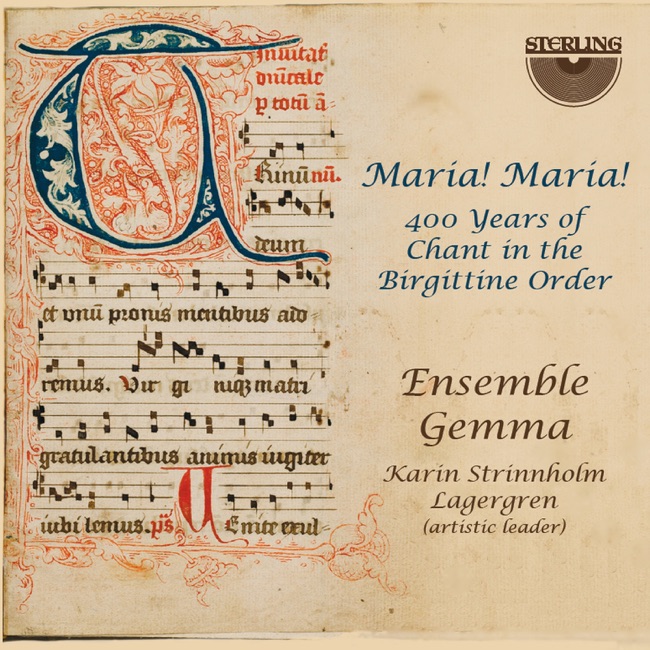
Composer:Gregorian ChantAverage_duration:0:52"Quae est ista quae ascendit" is a Gregorian chant that is believed to have been composed in the 8th century. It is a hymn that is sung during the Feast of the Assumption of the Blessed Virgin Mary, which is celebrated on August 15th. The chant is also known as the "Antiphon for the Magnificat" because it is sung as the antiphon before and after the Magnificat during Vespers. The chant is divided into two parts, the antiphon and the psalm verse. The antiphon is sung first, followed by the psalm verse, and then the antiphon is repeated. The antiphon is a short verse that is sung by the choir, while the psalm verse is a longer passage that is sung by a soloist or a small group of singers. The text of the chant is taken from the Song of Solomon, chapter 3, verse 6, which reads, "Quae est ista quae ascendit per desertum sicut virgula fumi ex aromatibus myrrhae et turis?" (Who is this that cometh up from the wilderness, like a pillar of smoke, perfumed with myrrh and frankincense?) The chant is characterized by its simple melody and its use of the Dorian mode, which gives it a haunting and mysterious quality. The melody is sung in a free rhythm, with no strict time signature, which allows the singers to express the text with great flexibility and emotion. Overall, "Quae est ista quae ascendit" is a beautiful and powerful hymn that celebrates the Assumption of the Blessed Virgin Mary and the beauty and mystery of the divine. Its timeless melody and profound text continue to inspire and uplift listeners today.More....