Gaetano Donizetti
Gloria, in C major
Released Album
Recent Album
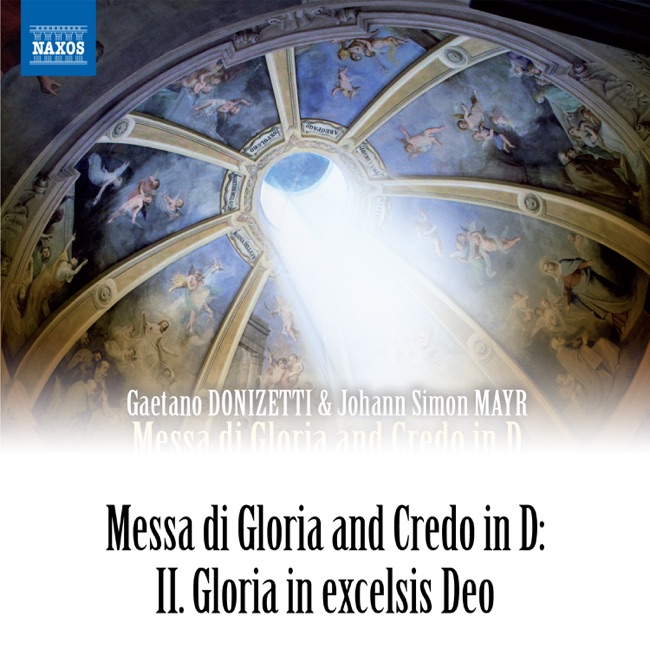
Featured Album
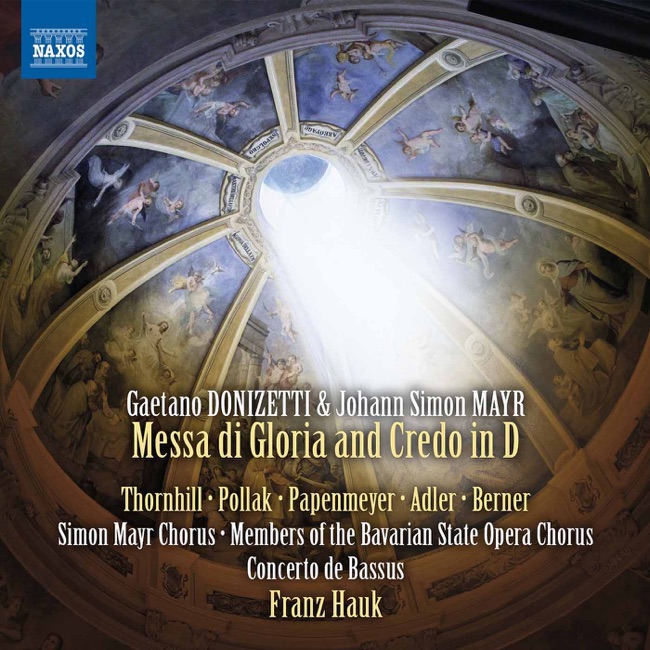
Works Info
Composer:Gaetano DonizettiGenre:ChoralCompose Date:May 28, 1818Average_duration:6:11Gaetano Donizetti's 'Gloria, in C major' is a sacred choral work composed in 1825. It premiered on December 8, 1825, at the Basilica of San Francesco di Paola in Naples, Italy. The piece is divided into three movements, each with its own distinct characteristics. The first movement, 'Gloria in excelsis Deo,' is a joyful and exuberant celebration of God's glory. The choir sings in unison, accompanied by a lively orchestra. The music is characterized by its fast tempo, bright melodies, and frequent use of syncopation. The movement ends with a triumphant chorus of "Gloria in excelsis Deo," sung by the entire choir. The second movement, 'Gratias agimus tibi,' is a more subdued and introspective piece. The choir sings in a slower tempo, with a more contemplative melody. The orchestra provides a gentle accompaniment, with soft strings and woodwinds. The movement ends with a quiet chorus of "Gratias agimus tibi," sung by the choir in a hushed tone. The final movement, 'Domine Deus, Rex coelestis,' is a grand and majestic piece. The choir sings in a powerful and dramatic style, accompanied by a full orchestra. The music is characterized by its soaring melodies, bold harmonies, and frequent use of brass and percussion. The movement ends with a triumphant chorus of "Domine Deus, Rex coelestis," sung by the entire choir. Overall, 'Gloria, in C major' is a masterful example of Donizetti's skill as a composer. The piece showcases his ability to create music that is both joyful and introspective, grand and intimate. It remains a beloved work in the sacred choral repertoire, and a testament to Donizetti's enduring legacy as a composer.More....