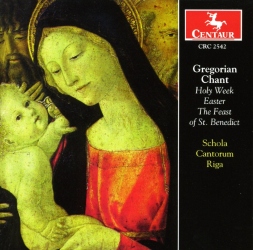
Gregorian Chant
Agnus Dei I
Released Album
Recent Album
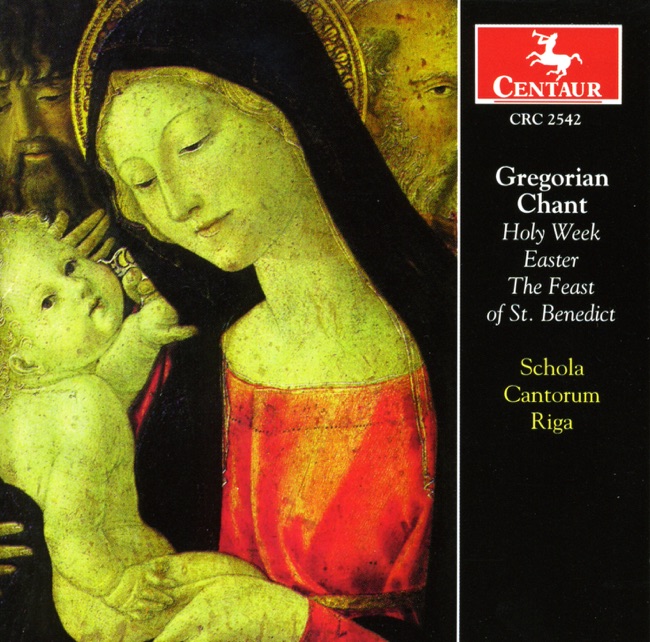
Works Info
Composer:Gregorian ChantGenre:VocalStyle:Vocal MusicAverage_duration:2:15Agnus Dei I is a Gregorian Chant that is part of the Ordinary of the Mass. It is a hymn that is sung during the liturgy of the Eucharist, specifically during the fraction rite. The composition of Agnus Dei I is attributed to the 7th century Pope Sergius I, who is said to have added the text "Agnus Dei, qui tollis peccata mundi, miserere nobis" to the Mass. The premiere of Agnus Dei I is not known, as it has been a part of the Catholic liturgy for centuries. However, it is believed to have been sung in the early Christian Church, as part of the Latin Mass. The Gregorian Chant is named after the Latin text, which translates to "Lamb of God, who takes away the sins of the world, have mercy on us." Agnus Dei I is a simple and solemn hymn that is sung in a slow and meditative manner. It is sung in a single melody line, without any harmony or accompaniment. The chant is sung in Latin, which adds to its timeless and universal appeal. The melody of Agnus Dei I is characterized by its smooth and flowing lines, which create a sense of calm and serenity. The hymn is divided into three movements, each of which is repeated three times. The first movement begins with the text "Agnus Dei, qui tollis peccata mundi," which is repeated three times. The second movement adds the text "Miserere nobis," which is also repeated three times. The final movement adds the text "Dona nobis pacem," which is repeated three times. Agnus Dei I is a powerful and moving hymn that has been sung by generations of Catholics. Its simple melody and timeless text have made it a beloved part of the Catholic liturgy. The hymn's message of forgiveness and peace continues to resonate with people of all faiths and backgrounds.More....
Works Music