


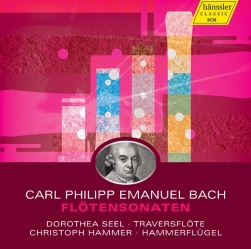
Carl Philipp Emanuel Bach
Sonata for flute & harpsichord in G major, H. 508, Wq. 85
Released Album
Recent Album
-
-
 Various ArtistsNovember 27, 2012
 -
-

Featured Album
Works Info
Composer:Carl Philipp Emanuel BachGenre:ChamberStyle:SonataCompose Date:1754Publication Date:1955Average_duration:11:58Movement_count:3Movement ....Carl Philipp Emanuel Bach's Sonata for flute and harpsichord in G major, H. 508, Wq. 85, was composed in 1747 and premiered in Berlin. The sonata consists of three movements: Allegro, Adagio, and Presto. The first movement, Allegro, is in sonata form and begins with a lively and cheerful theme played by the flute. The harpsichord then takes over with a more subdued version of the theme, followed by a brief dialogue between the two instruments. The development section explores various themes and motifs from the opening theme, leading to a recapitulation of the main theme played by the flute. The second movement, Adagio, is a slow and expressive piece that showcases the lyrical qualities of the flute. The harpsichord provides a delicate accompaniment, adding to the overall melancholic mood of the movement. The final movement, Presto, is a fast and energetic piece that features virtuosic passages for both the flute and harpsichord. The movement is characterized by its lively rhythms and playful melodies, making it a fitting conclusion to the sonata. Overall, the Sonata for flute and harpsichord in G major is a prime example of Carl Philipp Emanuel Bach's style, which is characterized by its expressive melodies, innovative harmonies, and virtuosic instrumental writing. The sonata is a testament to Bach's mastery of the Baroque style while also foreshadowing the emerging Classical style of the late 18th century.More....
Works Music
Released Music
1
4:14
2
6:15
3
3:25
4
4:17
Featured Music
1
4:33
2
2:41
3
2:54