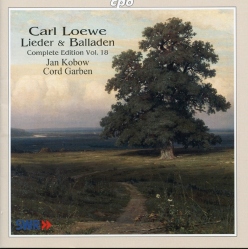
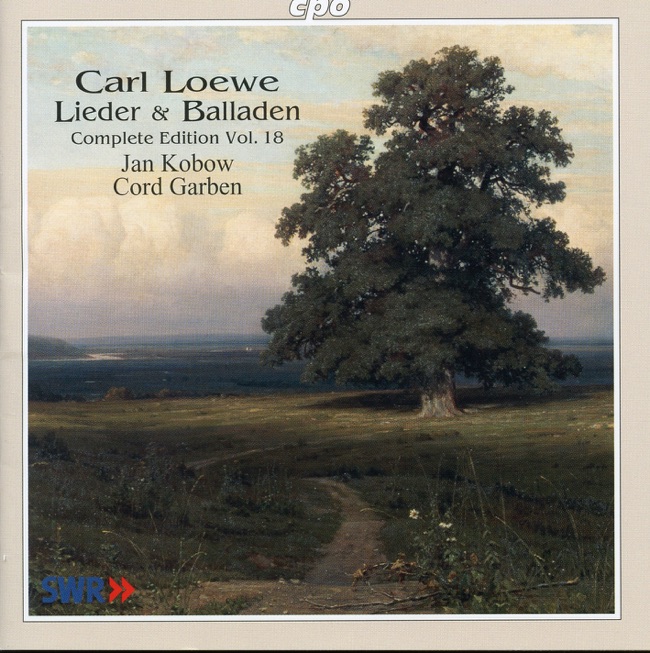
Carl Loewe
Des Glockentürmers Töchterlein, Op. 112a
Released Album
Recent Album

Works Info
Composer:Carl LoeweGenre:VocalStyle:SongAverage_duration:3:44"Des Glockentürmers Töchterlein, Op. 112a" is a song cycle composed by Carl Loewe, a German composer, pianist, and singer. The cycle was composed in 1842 and premiered in the same year. It consists of six movements and is based on a poem by Ludwig Uhland. The first movement, "Des Glockentürmers Töchterlein," is a lively and cheerful song that introduces the main character, the daughter of the bell-ringer. The second movement, "Die Schmiede," is a more somber and reflective piece that describes the daughter's visit to the blacksmith's forge. The third movement, "Die Spinnerin," is a gentle and flowing song that depicts the daughter spinning wool. The fourth movement, "Die Weber," is a lively and rhythmic piece that describes the daughter's visit to the weavers. The fifth movement, "Die Fischerin," is a melancholic and reflective song that depicts the daughter watching the fishermen at work. The final movement, "Die Mühle," is a lively and energetic piece that describes the daughter's visit to the mill. The characteristics of "Des Glockentürmers Töchterlein, Op. 112a" are typical of Loewe's style, which is characterized by a strong sense of melody, expressive harmonies, and a keen sense of drama. The cycle is notable for its use of folk-like melodies and its vivid depictions of everyday life in rural Germany. Overall, "Des Glockentürmers Töchterlein, Op. 112a" is a charming and engaging song cycle that showcases Loewe's talents as a composer and his deep understanding of German folk traditions.More....
Works Music