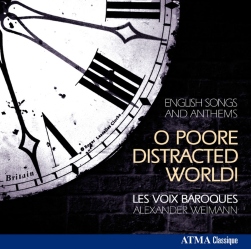
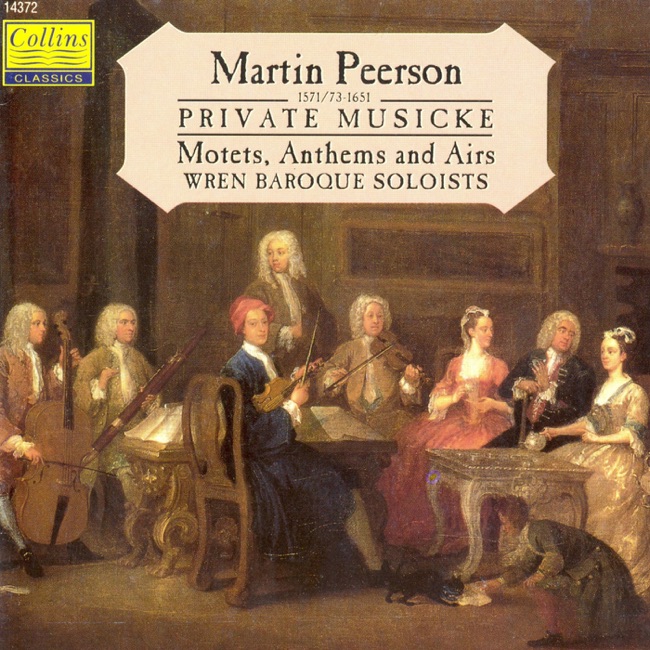
Martin Peerson
O let me at thy footstool fall
Released Album
Recent Album
Featured Album
Works Info
Composer:Martin PeersonGenre:MiscellaneousStyle:LamentationAverage_duration:2:48'O let me at thy footstool fall' is a sacred vocal composition composed by Martin Peerson, an English composer and keyboard player of the late Renaissance and early Baroque periods. The piece was composed in the early 17th century, around 1610-1615, during the reign of King James I. The composition is a four-part choral setting of a text by Isaac Watts, a prominent English hymn writer of the 18th century. The text is a prayer of humility and devotion, expressing the desire to be close to God and to seek His mercy and forgiveness. The music is written in a simple and straightforward style, with clear and expressive melodies and harmonies that reflect the emotional content of the text. The piece is divided into three movements, each with its own distinct character and mood. The first movement is a slow and solemn introduction, with the choir singing in unison to set the tone and establish the key. The second movement is a lively and rhythmic section, with the choir singing in four-part harmony and the music building to a joyful climax. The third movement is a return to the slower and more contemplative mood of the opening, with the choir singing in harmony and the music gradually fading away to a peaceful conclusion. The characteristics of 'O let me at thy footstool fall' reflect the style and conventions of English sacred music of the early 17th century. The music is written in a simple and direct style, with clear and expressive melodies and harmonies that emphasize the text and its emotional content. The use of four-part harmony and the alternation of slow and fast sections are typical of the English choral tradition, and reflect the influence of composers such as Thomas Tallis and William Byrd. Overall, 'O let me at thy footstool fall' is a beautiful and moving composition that reflects the deep religious faith and devotion of its composer and the English musical tradition of the early 17th century. Its timeless message of humility and devotion continues to resonate with audiences today, making it a beloved and enduring piece of sacred music.More....
Works Music
Released Music
Featured Music