Jan Pieterszoon Sweelinck
Toccata for organ No. 3 in C major (2 versions)
Released Album
Recent Album
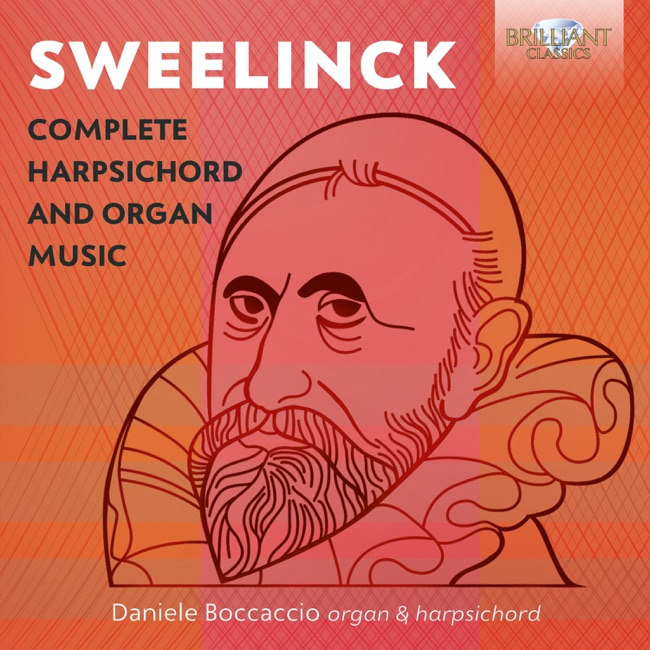
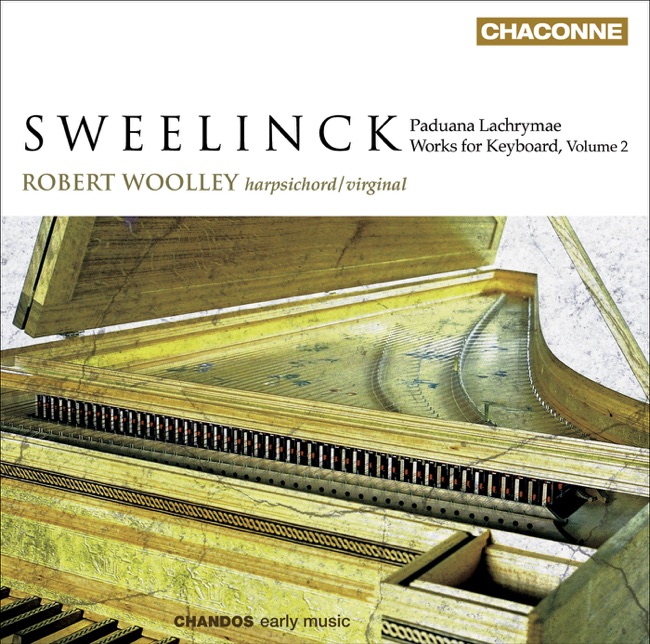
Works Info
Composer:Jan Pieterszoon SweelinckGenre:KeyboardStyle:KeyboardAverage_duration:5:40Jan Pieterszoon Sweelinck was a Dutch composer and organist who lived from 1562 to 1621. He was one of the most important composers of the late Renaissance and early Baroque periods, and his music had a significant influence on the development of the North German organ school. Sweelinck composed two versions of his Toccata for organ No. 3 in C major. The first version, which is sometimes referred to as the "Bergen Toccata," was composed in the early 1600s and is believed to have been written for the organ in the Bergen op Zoom church in the Netherlands. The second version, which is sometimes referred to as the "Swedish Toccata," was composed later in Sweelinck's life and is believed to have been written for the organ in the German Church in Stockholm, Sweden. Both versions of the Toccata for organ No. 3 in C major are characterized by their virtuosic keyboard writing and their use of imitative counterpoint. The pieces are structured as a series of contrasting sections, each of which explores different musical ideas and textures. The Bergen Toccata is in four movements, while the Swedish Toccata is in three movements. The first movement of the Bergen Toccata is a lively toccata in C major, characterized by its fast, virtuosic keyboard writing and its use of imitative counterpoint. The second movement is a more contemplative piece in F major, featuring a slower tempo and a more lyrical melody. The third movement is a lively fugue in C major, featuring a complex web of imitative counterpoint. The final movement is a joyful dance in C major, featuring a lively rhythm and a playful melody. The Swedish Toccata is structured differently than the Bergen Toccata, with three movements instead of four. The first movement is a lively toccata in C major, similar in style to the first movement of the Bergen Toccata. The second movement is a more contemplative piece in F major, featuring a slower tempo and a more lyrical melody. The final movement is a lively fugue in C major, featuring a complex web of imitative counterpoint. Overall, Sweelinck's Toccata for organ No. 3 in C major is a virtuosic and complex piece of music that showcases the composer's skill as a keyboardist and his mastery of imitative counterpoint. Both versions of the piece are important examples of the late Renaissance and early Baroque organ repertoire, and they continue to be performed and studied by organists today.More....
Works Music
Released Music