14th Century Polyphony Anonymous
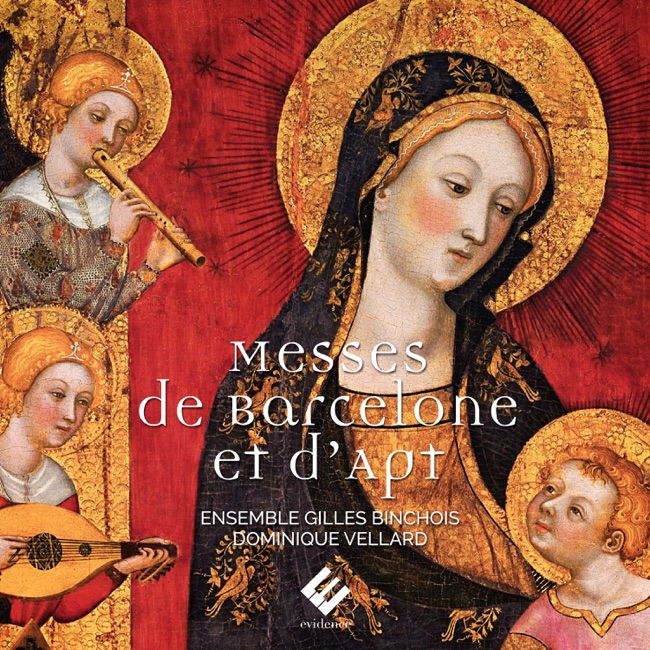
Messe d'Apt (Apt, MS. 16bis)
Works Info
Composer:14th Century Polyphony AnonymousGenre:ChoralAverage_duration:17:38The Messe d'Apt (Apt, MS. 16bis) is a 14th-century polyphonic mass composed anonymously. It is believed to have been written in the region of Apt, France, and is one of the earliest surviving examples of polyphonic mass settings. The Messe d'Apt is written for four voices, with the tenor voice carrying the cantus firmus, or fixed melody, of the mass. The other three voices provide counterpoint and harmony, creating a rich and complex texture. The mass is divided into five movements: Kyrie, Gloria, Credo, Sanctus, and Agnus Dei. The Kyrie is a three-part setting, with the tenor voice singing the Kyrie eleison melody in long notes while the other two voices provide intricate counterpoint. The Gloria is a more elaborate setting, with the voices weaving in and out of each other in a complex web of sound. The Credo is the longest movement of the mass, and features a variety of textures and moods, from the solemnity of the opening section to the exuberance of the "Et incarnatus est" section. The Sanctus is a four-part setting, with the voices alternating between homophonic and polyphonic textures. The Agnus Dei is a three-part setting, with the tenor voice once again carrying the cantus firmus. The Messe d'Apt is characterized by its intricate polyphonic textures, with the voices weaving in and out of each other in a complex and sophisticated manner. The use of a cantus firmus in the tenor voice is a hallmark of early polyphonic mass settings, and the Messe d'Apt is a fine example of this technique. The exact date of composition and premiere of the Messe d'Apt is unknown, but it is believed to have been written in the early 14th century. Despite its age, the mass remains a fascinating and beautiful example of early polyphonic music, and is still performed and studied by musicians and scholars today.More....
Works Music
Released Music