


Heitor Villa-Lobos
Modinhas e canções, for voice & piano, Album 2 (6), A. 441
Released Album
Recent Album
-
 Shizuka ShimoyamaAugust 29, 2021
 -
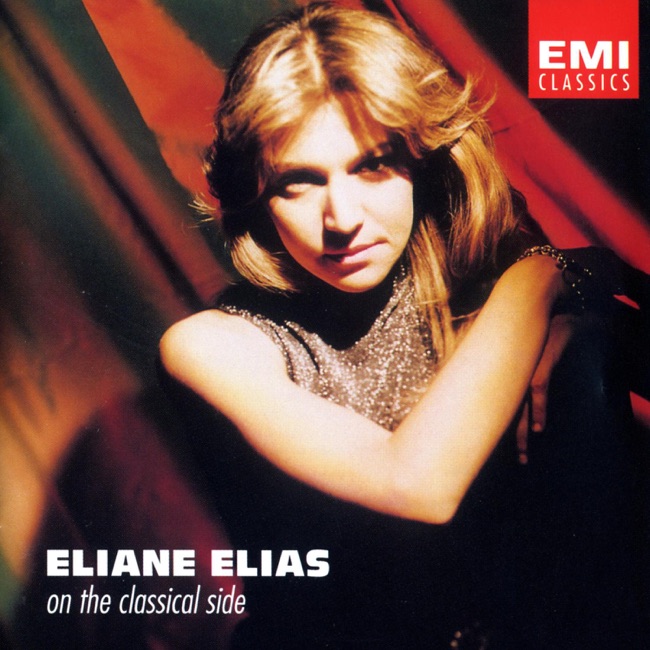
Featured Album
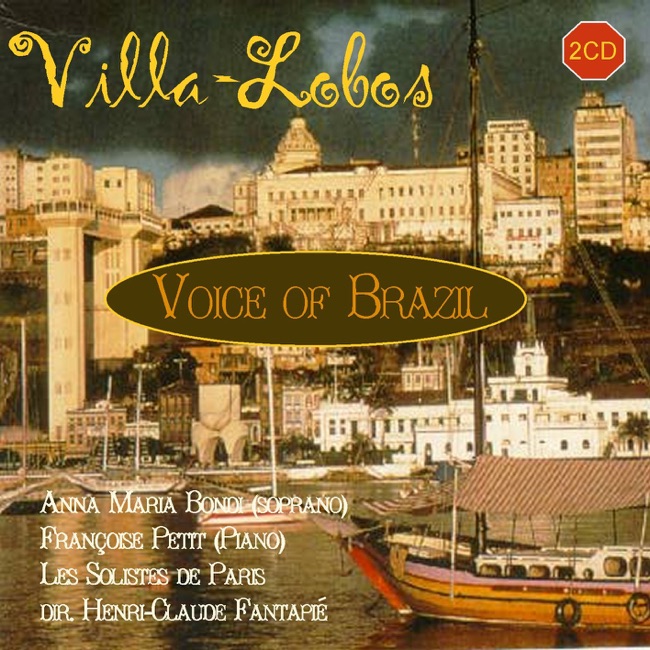
Works Info
Composer:Heitor Villa-LobosGenre:VocalStyle:Vocal MusicCompose Date:1943Average_duration:12:05Movement_count:6Movement ....Heitor Villa-Lobos was a Brazilian composer who is known for his unique style that blends traditional Brazilian music with modernist techniques. One of his notable works is the "Modinhas e canções, for voice & piano, Album 2 (6), A. 441," which was composed in 1926. The "Modinhas e canções" is a collection of six songs that are written for voice and piano. The songs are based on traditional Brazilian music genres such as modinha, lundu, and cateretê. The modinha is a slow and sentimental song that originated in Portugal and became popular in Brazil during the 18th century. The lundu is a lively and rhythmic dance that has African roots, while the cateretê is a fast-paced dance that is popular in the countryside. The six songs in the collection are "Modinha," "Lundu," "Cateretê," "Canção do Amor," "Canção da Nossa Terra," and "Canção do Poeta do Século XVIII." Each song has its own unique characteristics that reflect the genre it is based on. For example, the "Modinha" is a slow and melancholic song that features a simple melody and a repetitive accompaniment. The "Lundu," on the other hand, is a lively and rhythmic dance that features syncopated rhythms and a playful melody. The "Modinhas e canções" was premiered in 1926 in Rio de Janeiro, Brazil. The collection was well-received by audiences and critics alike, and it helped to establish Villa-Lobos as one of the leading composers of his time. The collection is still performed today and is considered to be one of Villa-Lobos's most important works. In conclusion, the "Modinhas e canções, for voice & piano, Album 2 (6), A. 441" is a collection of six songs that are based on traditional Brazilian music genres. The songs are characterized by their unique melodies, rhythms, and accompaniments, and they reflect Villa-Lobos's innovative approach to music composition. The collection was premiered in 1926 and is still performed today, making it a testament to Villa-Lobos's enduring legacy as a composer.More....
Works Music
Released Music


Featured Music
1
2:46
2
2:22
3
2:33
5
2: