Luca Marenzio
Nel piu fiorito aprile (Il primo libro de madrigali a 6 voci)
Released Album
Recent Album
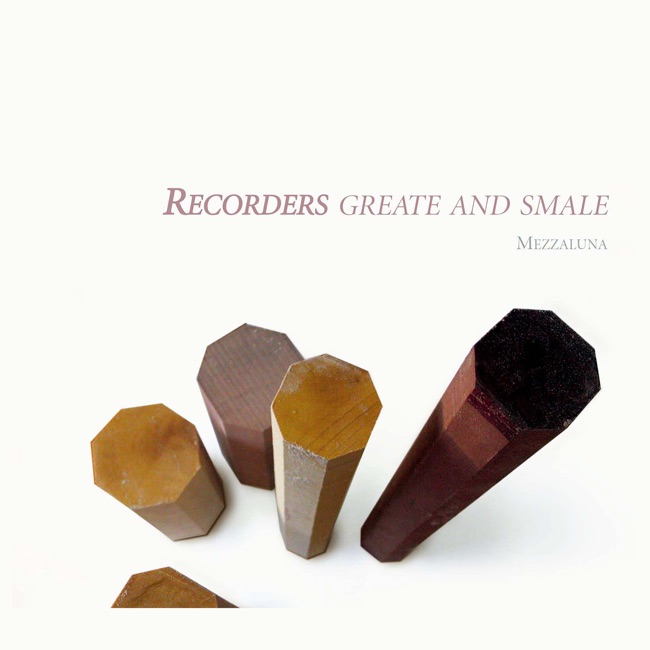
Featured Album
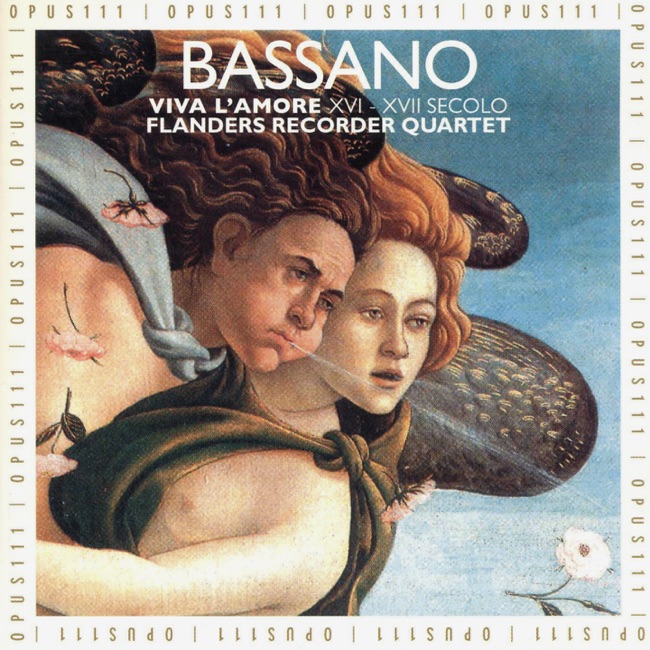
Works Info
Composer:Luca MarenzioGenre:VocalStyle:Vocal MusicPublication Date:1581Average_duration:1:37Luca Marenzio's 'Nel piu fiorito aprile' is a six-voice madrigal that was composed in the late 16th century. It is part of his first book of madrigals, which was published in 1580. The piece is known for its beautiful harmonies and expressive text setting, which captures the joy and beauty of springtime. The premiere of 'Nel piu fiorito aprile' is not known, but it was likely performed in the courts and salons of Italy during the late Renaissance. The piece is divided into three movements, each of which explores a different aspect of springtime. The first movement begins with a joyful and lively section that celebrates the arrival of spring. The voices weave in and out of each other, creating a complex and rich texture that is typical of Marenzio's style. The second section is more reflective, with the voices singing in a more homophonic style. The text describes the beauty of the flowers and the birdsong that fills the air. The second movement is a slower and more contemplative piece that focuses on the theme of love. The voices sing in a more restrained and intimate style, with the text describing the feelings of a lover who is separated from their beloved. The harmonies are rich and expressive, with the voices often moving in parallel motion to create a sense of unity and longing. The final movement returns to the joyful and celebratory mood of the first. The voices sing in a more complex and intricate style, with the text describing the beauty of the countryside and the joy of being alive in the springtime. The piece ends with a triumphant and exuberant section that brings all the voices together in a joyful celebration of life and love. Overall, 'Nel piu fiorito aprile' is a beautiful and expressive piece of music that captures the spirit of springtime in all its beauty and joy. Marenzio's skillful use of harmony and texture, combined with his sensitive text setting, make this piece a masterpiece of the Renaissance madrigal repertoire.More....
Works Music