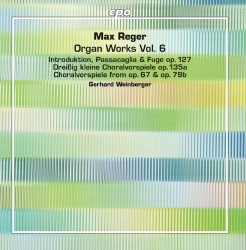
Max Reger
Prelude and Fugue for organ in D minor
Released Album
Recent Album

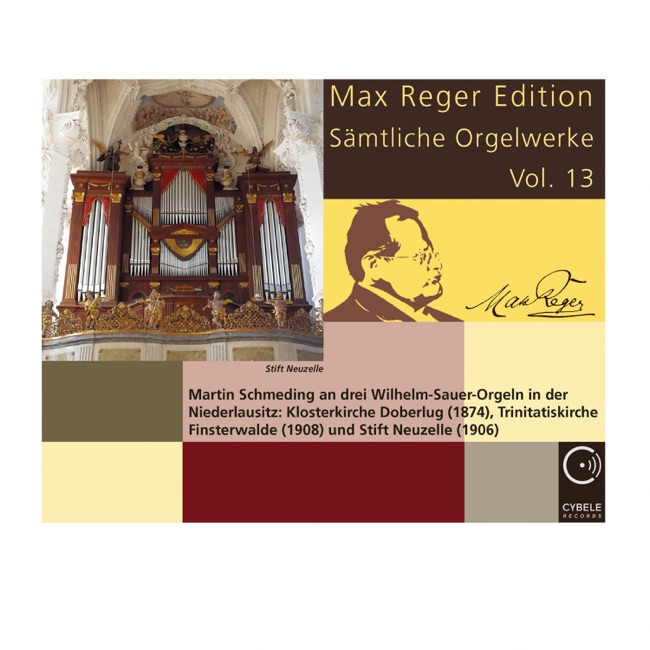
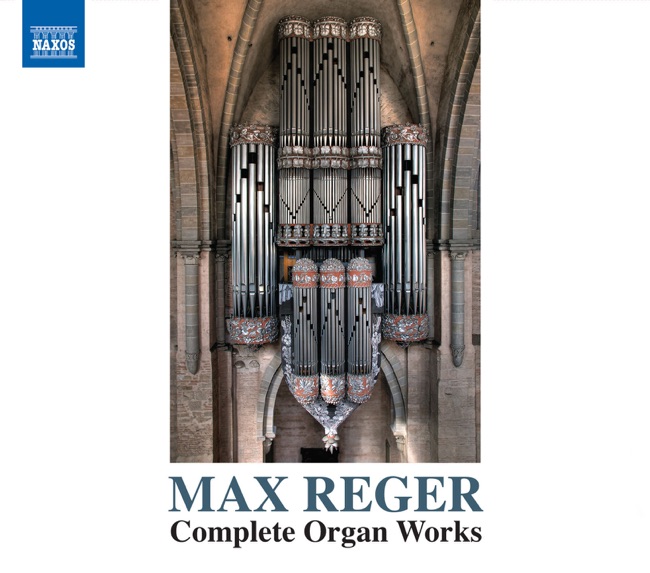
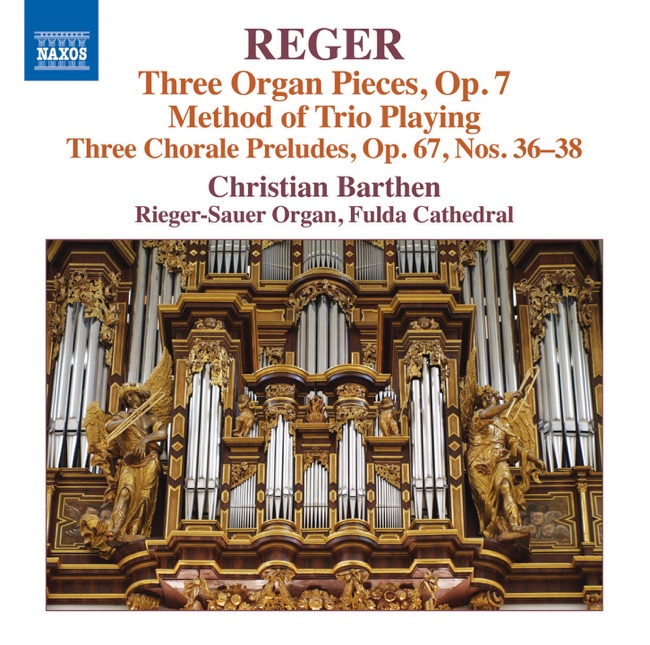
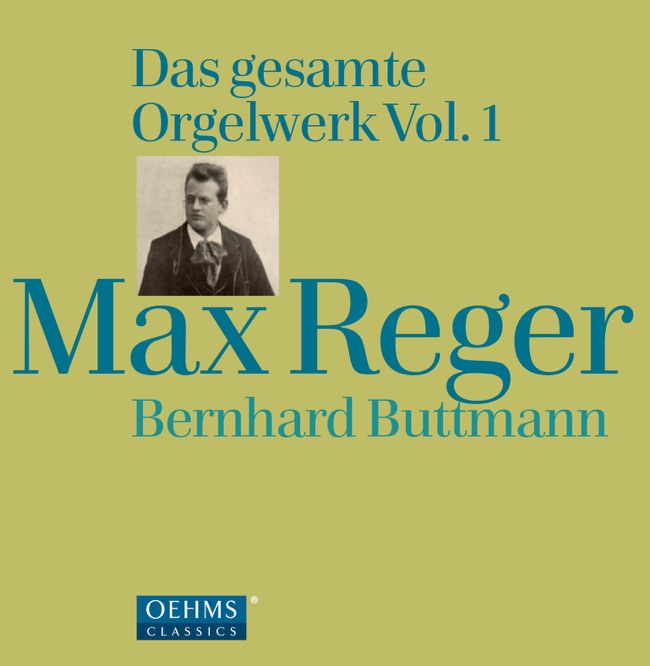
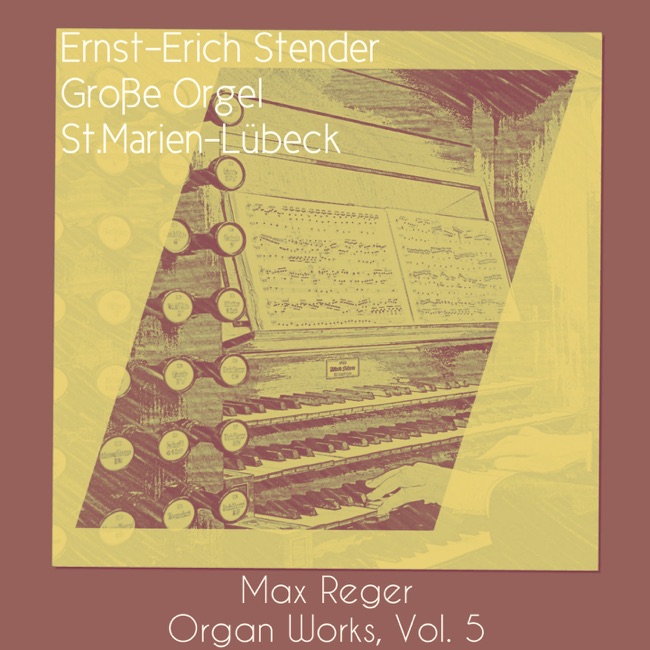
Featured Album
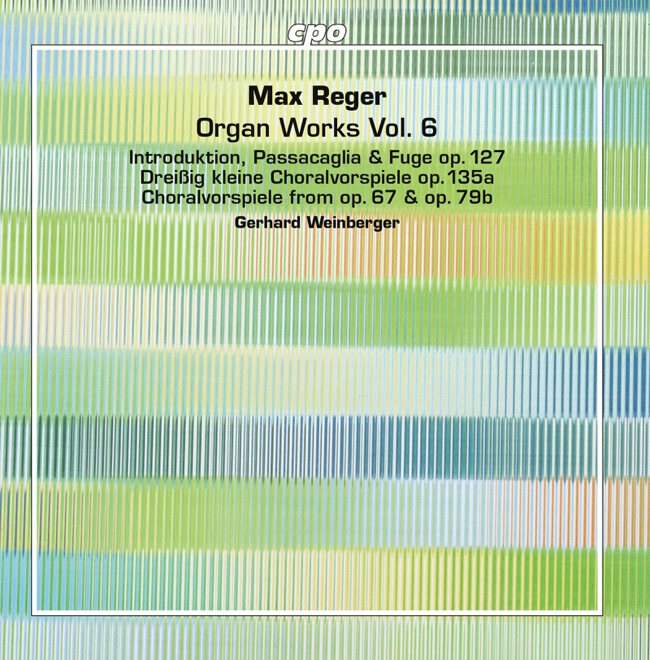
Works Info
Composer:Max RegerGenre:KeyboardStyle:FugueAverage_duration:4:49Movement_count:2Movement ....Max Reger's Prelude and Fugue for organ in D minor, Op. 65, No. 6, was composed in 1902 and premiered on October 26, 1902, in the St. Paul's Church in Frankfurt, Germany. The piece is part of a set of twelve preludes and fugues for organ, which Reger composed between 1900 and 1902. The Prelude and Fugue in D minor is a complex and virtuosic work that showcases Reger's mastery of counterpoint and his innovative approach to harmony. The piece is divided into two movements, with the Prelude serving as an introduction to the Fugue. The Prelude is marked by its chromaticism and use of dissonance, which creates a sense of tension and unease. The piece begins with a slow and somber introduction, which gradually builds in intensity before giving way to a fast and frenzied section. The Prelude features a wide range of textures and dynamics, with the organist required to navigate complex passages and rapid changes in tempo. The Fugue is a tour-de-force of contrapuntal writing, with multiple themes and voices interweaving in a complex and intricate web of sound. The piece is marked by its use of stretto, a technique in which the subject of the fugue is overlapped and repeated at increasingly shorter intervals. The Fugue builds to a powerful climax before resolving in a triumphant D major chord. Overall, Reger's Prelude and Fugue in D minor is a challenging and rewarding work for organists, showcasing the composer's innovative approach to harmony and counterpoint. The piece remains a staple of the organ repertoire and a testament to Reger's enduring legacy as a composer.More....
Works Music
Released Music

2
3:11
4

2:58

6
4:42
Featured Music