Robertsbridge Codex Anonymous
Adesto - Firmissime - Alleluja
Released Album
Recent Album
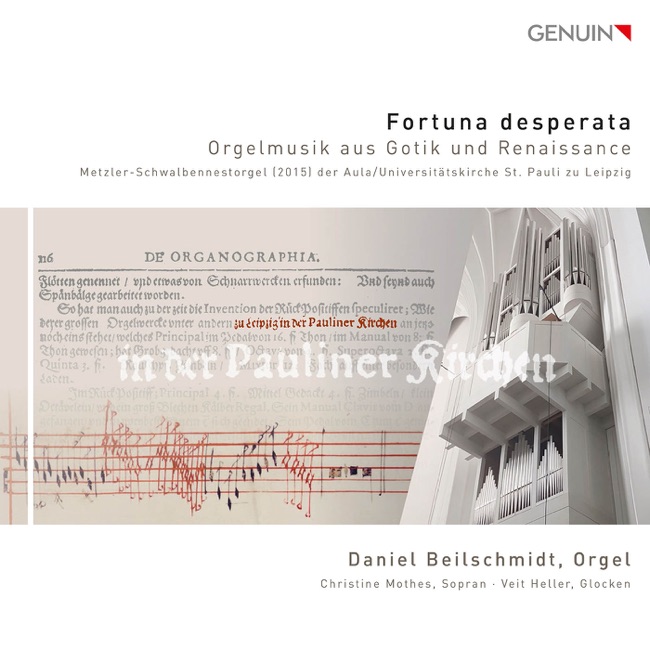
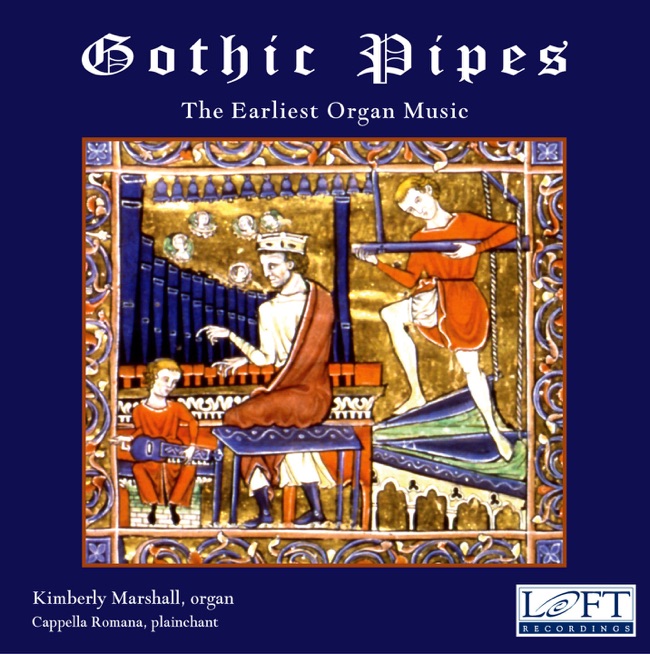
Works Info
Composer:Robertsbridge Codex AnonymousGenre:KeyboardStyle:KeyboardAverage_duration:3:33'Adesto - Firmissime - Alleluja' is a medieval chant composed by Robertsbridge Codex Anonymous. The Robertsbridge Codex is a collection of medieval music manuscripts that date back to the 14th century. The manuscript is named after the town of Robertsbridge in East Sussex, England, where it was discovered in the 19th century. The composition of 'Adesto - Firmissime - Alleluja' is believed to have taken place in the 14th century. The exact date of its composition is unknown. The piece is a chant that was likely used in religious ceremonies during the medieval period. The premiere of 'Adesto - Firmissime - Alleluja' would have taken place in a religious setting, such as a church or cathedral. The piece would have been performed by a choir or group of singers. The composition consists of three movements: 'Adesto', 'Firmissime', and 'Alleluja'. The first movement, 'Adesto', is a call to God to be present and to hear the prayers of the faithful. The second movement, 'Firmissime', is a plea for strength and steadfastness in the face of adversity. The final movement, 'Alleluja', is a joyful expression of praise and thanksgiving. The characteristics of 'Adesto - Firmissime - Alleluja' are typical of medieval chant. The piece is monophonic, meaning that it consists of a single melody line without accompaniment. The melody is based on a series of modes, which were the basis of medieval music theory. The piece is also characterized by its use of Latin text, which was the language of the Catholic Church during the medieval period. Overall, 'Adesto - Firmissime - Alleluja' is a beautiful example of medieval chant. Its simple melody and powerful text make it a timeless piece of music that continues to be performed and appreciated today.More....
Works Music
Released Music