François Dufaut
Allemande
Released Album
Recent Album
Featured Album
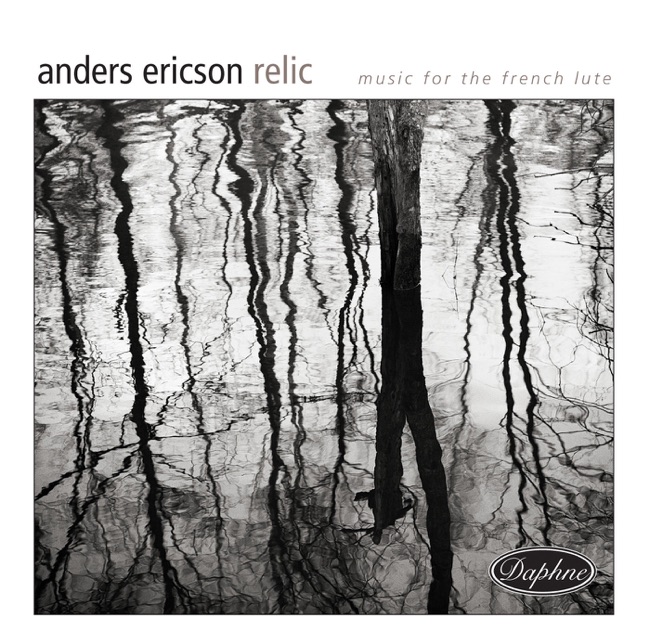
Works Info
Composer:François DufautGenre:ChamberStyle:AllemandeCompose Date:1631Average_duration:1:47The 'Allemande' is a popular dance form that originated in Germany during the Renaissance period. It was later adopted by French composers and became a staple of the Baroque era. François Dufaut, a French lutenist and composer, was one of the most prominent composers of the 'Allemande' during this time. Dufaut's 'Allemande' was composed in the early 17th century and premiered in France. It is a four-movement piece that is typically played on the lute or guitar. The first movement is marked by a slow and stately tempo, with a strong emphasis on the first beat of each measure. The second movement is faster and more lively, with intricate fingerwork and ornamentation. The third movement is a slower and more contemplative section, with a focus on melodic development. The final movement is a return to the faster tempo of the second movement, with a strong sense of rhythmic drive and energy. One of the defining characteristics of Dufaut's 'Allemande' is its use of counterpoint. The various voices of the piece interweave and overlap, creating a complex and intricate texture. Dufaut also employs a wide range of dynamic and tonal contrasts, from soft and delicate passages to bold and forceful sections. Overall, Dufaut's 'Allemande' is a masterful example of the Baroque dance form. Its intricate counterpoint, dynamic contrasts, and rhythmic drive make it a challenging and rewarding piece for performers and listeners alike.More....
Works Music
Released Music
Featured Music