William Byrd
Cunctis diebus
Released Album
Recent Album
Featured Album
Works Info
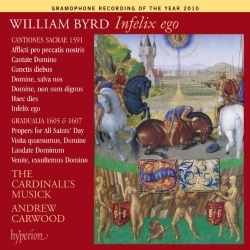
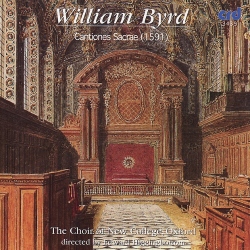
Composer:William ByrdGenre:ChoralStyle:MotetAverage_duration:4:17Cunctis diebus is a sacred motet composed by William Byrd, an English composer of the Renaissance period. The piece was composed in the late 16th century, during the reign of Queen Elizabeth I. It was first performed in 1605, during the reign of King James I, at the Chapel Royal in London. Cunctis diebus is a four-part motet, written for soprano, alto, tenor, and bass voices. The piece is characterized by its rich harmonies, intricate counterpoint, and expressive use of text. The text is taken from the Book of Wisdom, and speaks of the eternal nature of God's wisdom and the power of his word. The motet is divided into three movements, each of which explores a different aspect of the text. The first movement is marked "Allegro," and is characterized by its lively rhythms and joyful mood. The second movement is marked "Adagio," and is more contemplative in nature, with a slower tempo and more complex harmonies. The final movement is marked "Allegro," and returns to the joyful mood of the first movement, with a lively and energetic conclusion. Throughout the piece, Byrd employs a variety of musical techniques to convey the meaning of the text. He uses word painting to illustrate the meaning of specific words, such as the descending melody on the word "descendit" (he descended) in the second movement. He also uses chromaticism and dissonance to create tension and drama, particularly in the second movement. Overall, Cunctis diebus is a masterful example of Renaissance polyphony, showcasing Byrd's skill as a composer and his ability to convey complex theological ideas through music. Its enduring popularity is a testament to its timeless beauty and emotional power.More....
Works Music
Released Music
Featured Music