


Johann Christian Bach
Symphony for orchestra "No. 18b" in E flat major, Op. 9/2, CW C18b (T. 268/6)
Released Album
Recent Album
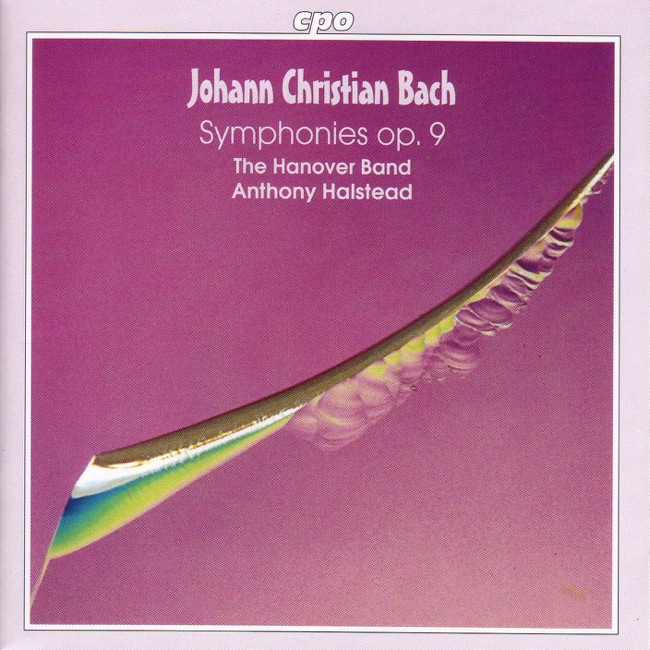
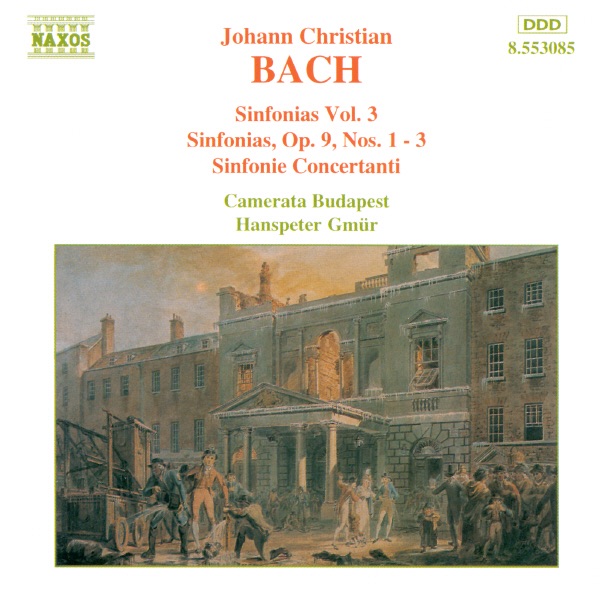
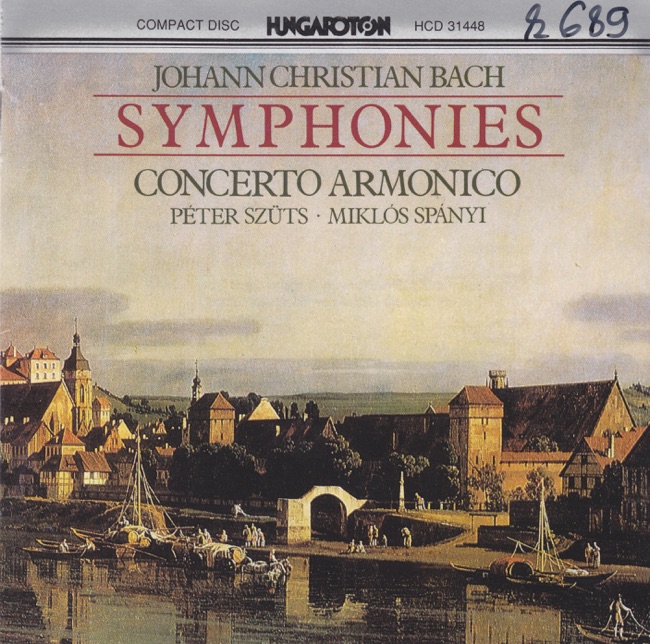

Works Info
Composer:Johann Christian BachGenre:SymphonyStyle:SymphonyCompose Date:1767 - 1768Publication Date:1773Average_duration:11:58Movement_count:3Movement ....Johann Christian Bach's Symphony for Orchestra No. 18b in E flat major, Op. 9/2, CW C18b (T. 268/6) was composed in the mid-18th century. The exact date of composition is unknown, but it is believed to have been written between 1760 and 1770. The symphony was premiered in London, where Bach was living and working at the time. The symphony consists of three movements: Allegro con spirito, Andante, and Presto. The first movement, Allegro con spirito, is in sonata form and features a lively and energetic theme that is introduced by the strings. The second movement, Andante, is a slow and lyrical piece that showcases the beauty of the woodwind instruments. The final movement, Presto, is a fast and lively piece that brings the symphony to a thrilling conclusion. One of the characteristics of Bach's Symphony for Orchestra No. 18b is its use of counterpoint. Bach was known for his skill in writing contrapuntal music, and this symphony is no exception. The various instruments in the orchestra are often playing different melodies simultaneously, creating a complex and intricate texture. Another characteristic of the symphony is its use of dynamic contrasts. Bach employs sudden shifts in volume throughout the piece, creating moments of tension and release. This adds to the overall drama and excitement of the music. Overall, Johann Christian Bach's Symphony for Orchestra No. 18b in E flat major, Op. 9/2, CW C18b (T. 268/6) is a masterful example of classical-era orchestral music. Its use of counterpoint and dynamic contrasts make it a challenging and rewarding piece for both performers and listeners.More....
Works Music
Released Music
1
4:58
2
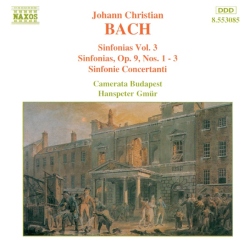
Symphony for orchestra "No. 18b" in E flat major, Op. 9/2, CW C18b (T. 268/6)
Andante con sordini
2:55
3
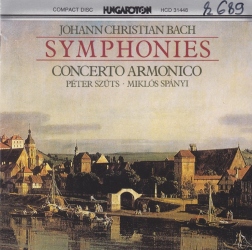
Symphony for orchestra "No. 18b" in E flat major, Op. 9/2, CW C18b (T. 268/6)
Andante con sordini
3:55
4
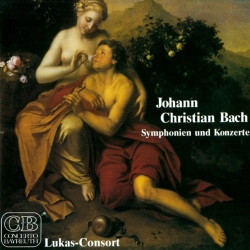
4:55