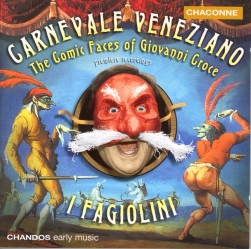
Giovanni Croce
Mascarata da Furlani
Works Info
Composer:Giovanni CroceGenre:VocalStyle:Vocal MusicAverage_duration:3:17Giovanni Croce's 'Mascarata da Furlani' is a vocal and instrumental composition that was composed in the late 16th century. The piece was premiered in Venice, Italy, during the Carnival season, which typically ran from December 26th to Shrove Tuesday. The 'Mascarata da Furlani' was performed during the masquerade balls that were a popular feature of the Carnival festivities. The composition is divided into three movements, each of which has its own distinct character. The first movement is a lively and rhythmic dance that features a prominent bass line and a catchy melody. The second movement is slower and more contemplative, with a more complex harmonic structure and a greater emphasis on the vocal parts. The third movement is a return to the lively and energetic style of the first movement, with a faster tempo and a more complex rhythmic structure. One of the most distinctive features of the 'Mascarata da Furlani' is its use of vocal and instrumental textures. The piece features a variety of vocal parts, including solo and choral sections, as well as instrumental parts for strings, winds, and percussion. The vocal parts are often accompanied by a rich and varied instrumental texture, with different instruments taking on different roles in the composition. Another notable feature of the 'Mascarata da Furlani' is its use of musical motifs and themes. The piece features a number of recurring melodic and rhythmic patterns, which are used to create a sense of unity and coherence throughout the composition. These motifs and themes are often developed and transformed over the course of the piece, creating a sense of musical progression and development. Overall, the 'Mascarata da Furlani' is a lively and engaging composition that showcases Giovanni Croce's skill as a composer. Its use of vocal and instrumental textures, musical motifs, and rhythmic structures make it a fascinating example of Renaissance music, and a testament to the enduring popularity of Carnival music in Italy.More....
Works Music
Released Music