Georg Philipp Telemann
Sonata for violin & continuo in G major, TWV 41:G4
Released Album
Recent Album
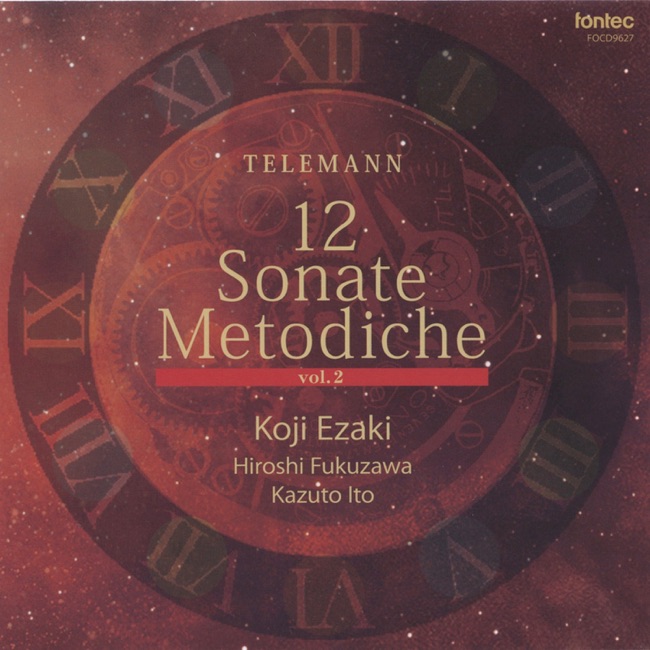
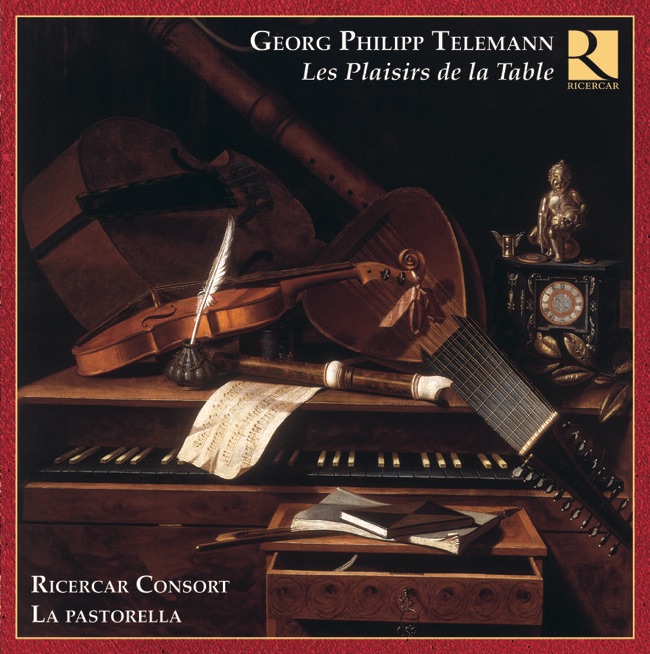
Works Info
Composer:Georg Philipp TelemannGenre:ChamberStyle:Sonata: ChamberCompose Date:1728Publication Date:1728Average_duration:12:02Movement_count:4Movement ....Georg Philipp Telemann's Sonata for violin & continuo in G major, TWV 41:G4, was composed in the early 18th century. The exact date of composition is unknown, but it is believed to have been written between 1715 and 1720. The sonata is one of Telemann's most popular works and is frequently performed by violinists today. The sonata is divided into four movements: Adagio, Allegro, Largo, and Presto. The first movement, Adagio, is a slow and expressive introduction that sets the tone for the rest of the piece. The second movement, Allegro, is a lively and energetic dance that showcases the virtuosity of the violinist. The third movement, Largo, is a beautiful and lyrical aria that allows the violinist to display their ability to play with emotion and sensitivity. The final movement, Presto, is a fast and exciting finale that brings the sonata to a thrilling conclusion. The sonata is written for violin and continuo, which typically consists of a harpsichord and a cello or bass instrument. The continuo provides a harmonic foundation for the violinist to play over, allowing for a rich and complex musical texture. Telemann's use of the continuo is particularly notable in the Largo movement, where the harpsichord takes on a prominent role in the accompaniment. One of the characteristics of Telemann's music is his use of folk melodies and dance rhythms. This is evident in the second movement of the sonata, which is written in the style of a gigue, a lively dance popular in the Baroque era. Telemann also incorporates elements of the French style, such as the use of ornamentation and the emphasis on melody. Overall, Telemann's Sonata for violin & continuo in G major, TWV 41:G4, is a beautiful and engaging work that showcases the talents of the violinist and the richness of the Baroque era. Its popularity today is a testament to Telemann's skill as a composer and his ability to create music that continues to captivate audiences centuries later.More....
Works Music
Released Music