Libby Larsen
The Settling Years
Released Album
Recent Album

Works Info
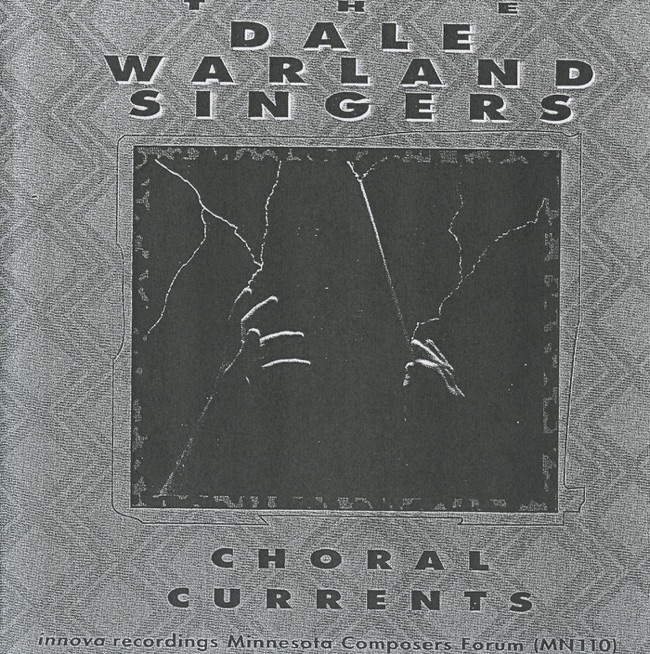
Composer:Libby LarsenGenre:ChoralStyle:ChoralAverage_duration:11:38Movement_count:3Movement ....The Settling Years is a chamber work composed by Libby Larsen in 1992. It was premiered on March 22, 1992, by the Dale Warland Singers and the St. Paul Chamber Orchestra at the Ordway Music Theatre in St. Paul, Minnesota. The work is divided into three movements, each of which explores a different aspect of the settling of the American West. The first movement, "The Prairie is My Garden," is a setting of a poem by Minnie H. Felts. It is a celebration of the beauty and abundance of the prairie, with lush harmonies and soaring melodies that evoke the vastness of the landscape. The choir sings the text in unison, with occasional divisi, while the orchestra provides a rich, supportive accompaniment. The second movement, "The Homestead Act," is a more somber reflection on the challenges faced by settlers in the West. The text is drawn from the Homestead Act of 1862, which offered free land to anyone willing to settle and improve it. Larsen sets the text in a spare, almost hymn-like style, with the choir singing in unison or simple harmonies. The orchestra provides a stark, dissonant accompaniment that underscores the difficulties faced by the settlers. The final movement, "The Buffalo Hunt," is a lively and rhythmic celebration of the Native American tradition of hunting buffalo. The text is drawn from a variety of sources, including traditional Native American songs and poems. Larsen sets the text in a lively, syncopated style, with the choir and orchestra trading off rhythmic patterns and melodic fragments. The movement builds to a thrilling climax, with the choir and orchestra coming together in a joyous celebration of the hunt. Overall, The Settling Years is a powerful and evocative work that captures the spirit of the American West. Larsen's use of rich harmonies, soaring melodies, and rhythmic energy creates a vivid musical portrait of the landscape and the people who settled it.More....