


Charles Ives
Study No. 9: The Anti-Abolitionist Riots in the 1830s & 1840s, S. 97
Released Album
Recent Album


Works Info
Composer:Charles IvesGenre:KeyboardStyle:Character PieceCompose Date:1908Publication Date:1949First Performance:Apr 3, 1950Average_duration:3:23Charles Ives' 'Study No. 9: The Anti-Abolitionist Riots in the 1830s & 1840s, S. 97' is a piano piece that was composed in 1917. It premiered on March 20, 1920, at the New York Public Library. The piece is part of Ives' collection of 114 piano studies, which he composed between 1908 and 1920. The piece is divided into three movements, each of which represents a different aspect of the anti-abolitionist riots that occurred in the United States during the 1830s and 1840s. The first movement, marked "Allegro con fuoco," represents the violence and chaos of the riots. The second movement, marked "Andante con moto," represents the sadness and despair of the abolitionists who were targeted by the riots. The third movement, marked "Allegro," represents the eventual triumph of the abolitionist movement. The piece is characterized by its use of dissonance and unconventional harmonies. Ives was known for his experimental approach to music, and 'Study No. 9' is no exception. The piece features complex rhythms and unusual chord progressions, which create a sense of tension and unease. The use of dissonance also adds to the chaotic and violent atmosphere of the first movement. Overall, 'Study No. 9: The Anti-Abolitionist Riots in the 1830s & 1840s, S. 97' is a powerful and evocative piece of music that captures the tumultuous period of American history it represents. Its unconventional harmonies and rhythms make it a challenging piece to play, but also a rewarding one for those who are up to the task.More....
Works Music
Released Music
1
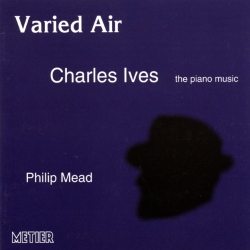
2:25
2

3:19
3

2:59
4
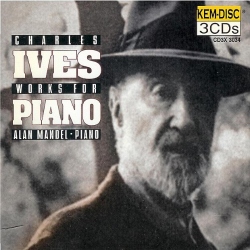
2:48
5

2:54
6
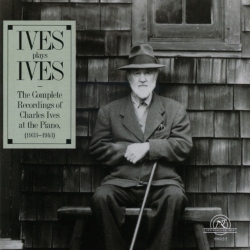
2:15