Gregorian Chant
Alleluia, beatus vir qui suffert
Released Album
Recent Album
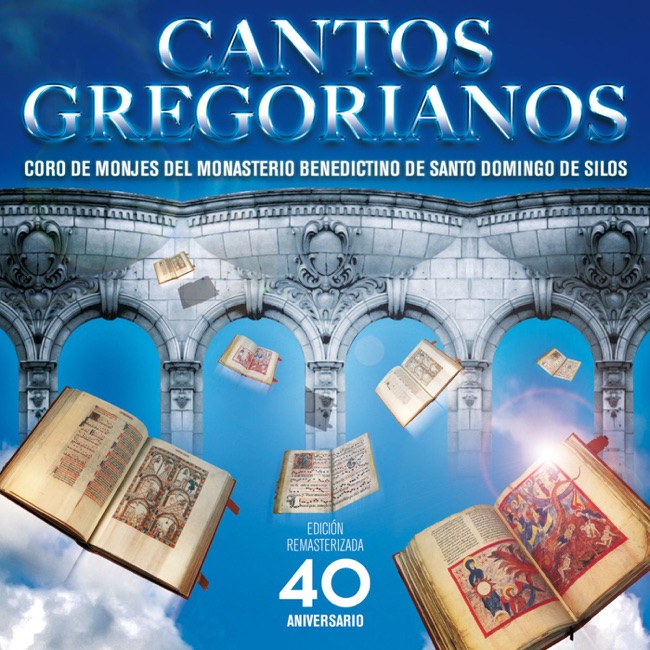
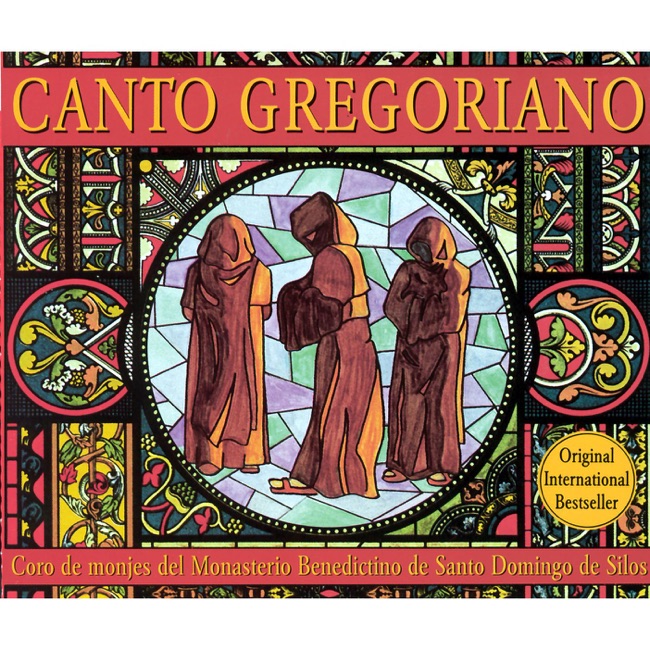
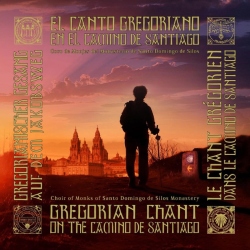
Featured Album
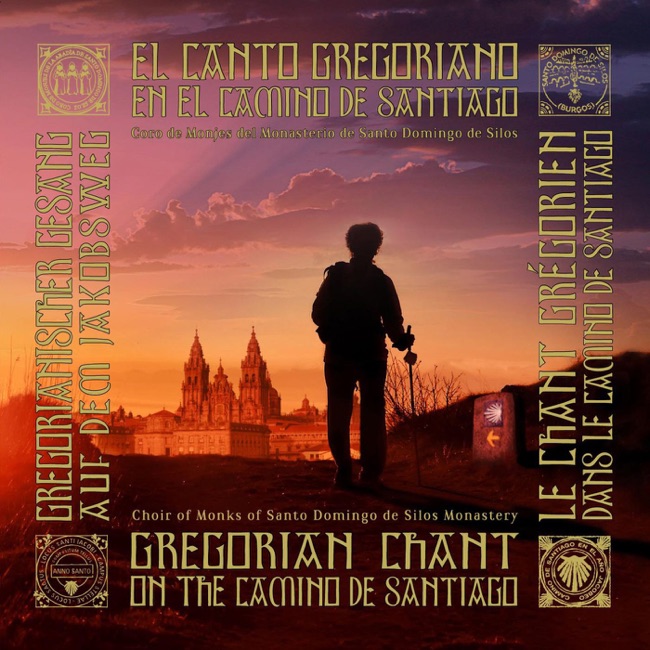
Works Info
Composer:Gregorian ChantGenre:ChoralStyle:ChantAverage_duration:3:14'Alleluia, beatus vir qui suffert' is a Gregorian Chant that is believed to have been composed in the 10th century. The chant is a part of the Proper of the Mass and is sung during the Easter season. The chant is known for its joyful and celebratory nature, which is typical of Easter music. The chant is divided into two movements, the Alleluia and the verse. The Alleluia is a short, melismatic chant that is repeated three times. The verse is a short text that is sung after the Alleluia. The text of the verse varies depending on the liturgical occasion. The characteristics of 'Alleluia, beatus vir qui suffert' are typical of Gregorian Chant. The chant is monophonic, meaning that it is sung in unison without any harmony. The melody is based on a modal system, which is a system of scales that were used in medieval music. The chant is also characterized by its use of neumes, which are symbols that indicate the shape and direction of the melody. The premiere of 'Alleluia, beatus vir qui suffert' is unknown, as it is a part of the oral tradition of Gregorian Chant. However, the chant has been passed down through generations of singers and is still sung in churches today. The chant is an important part of the Easter liturgy and is a testament to the enduring power of Gregorian Chant.More....
Works Music
Released Music
Featured Music