Franz Liszt
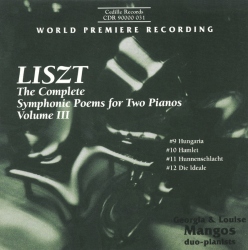
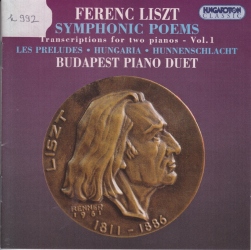
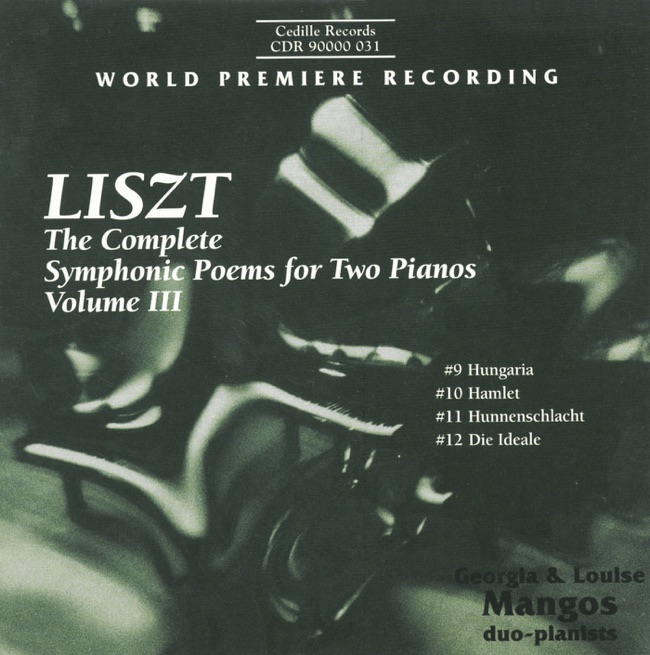
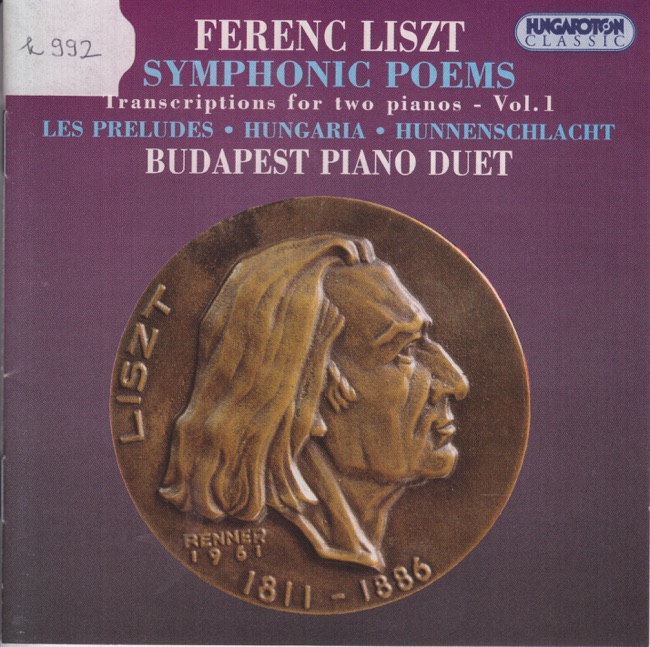
Hunnenschlacht, symphonic poem for 2 pianos, S. 645
Released Album
Recent Album
Works Info
Composer:Franz LisztGenre:KeyboardStyle:KeyboardCompose Date:1857 - 1860Publication Date:1861Average_duration:14:54Franz Liszt's "Hunnenschlacht" is a symphonic poem for two pianos, composed in 1857. The piece was premiered in Weimar on August 14, 1857, with Liszt and Hans von Bülow performing on the two pianos. The piece is divided into three movements, each depicting a different aspect of the Battle of the Huns, which took place in 451 AD between the Huns and the Roman Empire. The first movement, "The Battle Begins," is marked by a frenzied, martial rhythm that evokes the chaos and violence of the conflict. The second movement, "The Death of Attila," is more mournful and introspective, with a haunting melody that suggests the passing of a great leader. The final movement, "The Triumph of the Huns," is triumphant and celebratory, with a grandiose melody that suggests the Huns' victory over the Romans. One of the most striking characteristics of "Hunnenschlacht" is its use of two pianos, which allows for a greater range of sound and texture than a single piano would provide. Liszt also employs a variety of techniques to create a sense of drama and tension, including sudden shifts in dynamics, unexpected harmonies, and rapid changes in tempo. The piece is also notable for its use of programmatic elements, with each movement depicting a specific event or emotion associated with the Battle of the Huns. Overall, "Hunnenschlacht" is a powerful and evocative work that showcases Liszt's skill as a composer and his ability to create vivid musical narratives. Its use of two pianos and its programmatic elements make it a unique and memorable addition to the repertoire of symphonic poems.More....
Works Music