Jean-Baptiste Lully
O sapientia in misterio, LWV 77/11
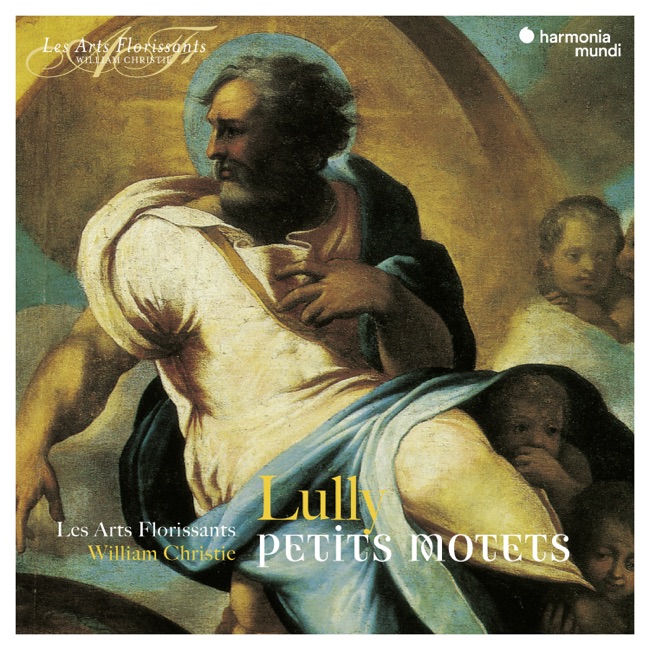
Works Info
Composer:Jean-Baptiste LullyGenre:ChoralStyle:MotetAverage_duration:4:48'O sapientia in misterio, LWV 77/11' is a sacred motet composed by Jean-Baptiste Lully in the 17th century. The piece was composed in 1684 and premiered in the same year at the Chapel Royal in Versailles. The motet is divided into three movements, each with its own distinct characteristics. The first movement is a solemn and contemplative setting of the text "O Sapientia," which is a reference to the wisdom of God. The music is characterized by a slow and steady tempo, with long, sustained notes and a rich harmonic texture. The vocal lines are often homophonic, with all voices singing the same melody at the same time. The second movement is a lively and joyful setting of the text "O Adonai," which is a reference to the Lord. The music is characterized by a fast tempo, with lively rhythms and intricate vocal lines. The vocal parts are often imitative, with each voice taking turns singing the same melody. The third and final movement is a solemn and contemplative setting of the text "O Radix Jesse," which is a reference to the root of Jesse, a biblical figure who was the father of King David. The music is characterized by a slow and steady tempo, with long, sustained notes and a rich harmonic texture. The vocal lines are often homophonic, with all voices singing the same melody at the same time. Overall, 'O sapientia in misterio, LWV 77/11' is a beautiful and expressive sacred motet that showcases Lully's skill as a composer. The piece is characterized by its rich harmonic texture, intricate vocal lines, and contemplative mood. It remains a popular piece in the sacred music repertoire to this day.More....
Works Music
Released Music