


Kaikhosru Sorabji
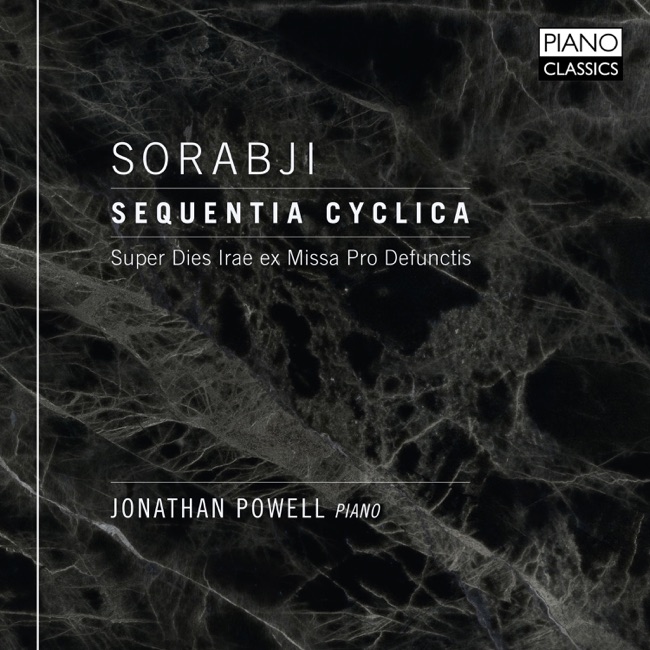
Sequentia cyclica super 'Dies irae' ex Missa pro defunctis
Released Album
Recent Album
Works Info
Composer:Kaikhosru SorabjiGenre:KeyboardCompose Date:1948-1949Average_duration:08:23:14Kaikhosru Sorabji's 'Sequentia cyclica super 'Dies irae' ex Missa pro defunctis' is a monumental work for solo piano, composed between 1948 and 1949. The work is based on the Gregorian chant 'Dies irae' from the Mass for the Dead, and consists of 27 movements, each of which is a variation on the chant. The work is notable for its extreme length, with a performance time of around 8 hours, and its highly complex and virtuosic piano writing. The work was premiered by Sorabji himself in a private performance in 1953, and was not publicly performed until 1982, when it was played by Michael Habermann in London. Since then, it has been performed only a handful of times, due to its extreme technical demands and length. The movements of the work are highly varied, ranging from short, delicate variations to massive, thunderous sections that require the pianist to play with incredible speed and power. Sorabji's writing is highly chromatic and dissonant, with frequent use of complex polyrhythms and polytonality. The work also features numerous references to other composers, including Bach, Liszt, and Scriabin. Despite its technical demands, the work is not simply a display of virtuosity. Sorabji's variations explore a wide range of emotions and moods, from the somber and mournful to the ecstatic and exultant. The work is a testament to Sorabji's unique musical vision and his mastery of the piano as an instrument.More....
Works Music
Released Music
1
50:27
2
Sequentia cyclica super 'Dies irae' ex Missa pro defunctis
Theme: Largo Legatissimo sempre e nello stile medioevale detto 'organum'
4:29