Carl Reinecke
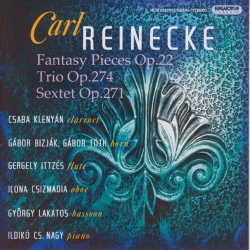
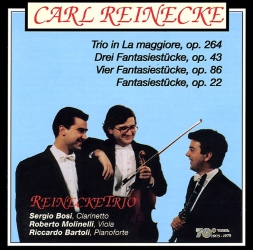
Fantasiestücke, Op. 22
Released Album
Recent Album
Featured Album
Works Info
Composer:Carl ReineckeGenre:ChamberStyle:Chamber MusicAverage_duration:15:52Movement_count:4Movement ....Fantasiestücke, Op. 22 is a set of eight pieces for solo piano composed by Carl Reinecke in 1864. The work was premiered in Leipzig on January 25, 1865, with the composer himself at the piano. The eight movements of Fantasiestücke, Op. 22 are: 1. Romanze: Andante con moto - This opening movement is a lyrical and expressive piece in ABA form. The A section features a flowing melody in the right hand over a simple accompaniment in the left hand, while the B section is more agitated and chromatic. 2. Humoreske: Lebhaft - This lively and playful movement is in ternary form, with a contrasting middle section in the key of G major. The main theme is characterized by its syncopated rhythm and staccato articulation. 3. Warum?: Langsam und zart - This slow and tender movement is in ABA form, with a melancholy and introspective A section and a more hopeful and optimistic B section. 4. Grillen: Lebhaft - This fast and virtuosic movement is in rondo form, with a recurring main theme that alternates with contrasting episodes. The title "Grillen" means "crickets" in German, and the piece evokes the buzzing and chirping of these insects. 5. In der Nacht: Mit Leidenschaft - This passionate and dramatic movement is in sonata form, with a stormy and turbulent first theme and a lyrical and tender second theme. The development section is particularly intense and chromatic. 6. Fabel: Leicht - This light and whimsical movement is in ternary form, with a playful and catchy main theme that is repeated with variations. The title "Fabel" means "fable" in German, and the piece has a fairy-tale quality. 7. Traumes Wirren: Äußerst lebhaft - This extremely lively and virtuosic movement is in rondo form, with a recurring main theme that is interrupted by contrasting episodes. The title "Traumes Wirren" means "confusion of dreams" in German, and the piece has a dreamlike and surreal quality. 8. Ende vom Lied: Mit gutem Humor - This cheerful and humorous movement is in rondo form, with a catchy and upbeat main theme that is repeated with variations. The title "Ende vom Lied" means "end of the song" in German, and the piece has a festive and celebratory character. Overall, Fantasiestücke, Op. 22 is a highly varied and imaginative work that showcases Reinecke's skill as a composer and pianist. The pieces range from lyrical and introspective to virtuosic and playful, and they demonstrate a wide range of moods and emotions. The work is a classic example of the Romantic piano repertoire and remains popular with pianists and audiences today.More....
Works Music
Released Music
Featured Music