Henry Purcell
Evening Service, Z. 231
Released Album
Recent Album
Featured Album
Works Info
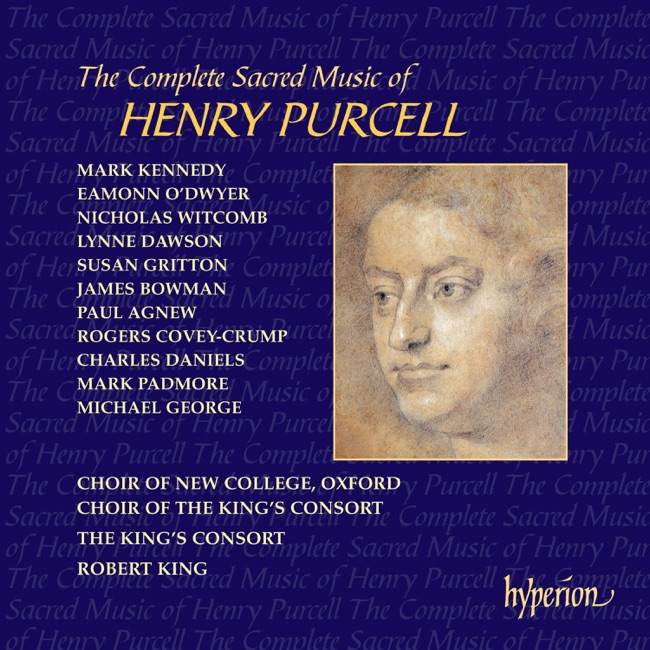
Composer:Henry PurcellGenre:ChoralStyle:Sacred musicAverage_duration:6:23Movement_count:2Movement ....Henry Purcell's Evening Service, Z. 231, also known as the "Second Service," was composed in the late 1670s or early 1680s during his tenure as organist at Westminster Abbey. The piece is a setting of the Magnificat and Nunc dimittis, two canticles from the Book of Common Prayer that are traditionally sung during evening services in the Anglican Church. The Evening Service is divided into five movements: Magnificat, Verse, Nunc dimittis, Verse, and Gloria Patri. The Magnificat and Nunc dimittis are both set for four-part choir and organ, with the Verse sections featuring soloists or small groups of singers. The Gloria Patri is a brief doxology that concludes the service. Purcell's setting of the Magnificat is characterized by its lively rhythms and colorful harmonies. The opening chorus, "My soul doth magnify the Lord," features a joyful, dance-like melody that is passed between the different voice parts. The Verse section, "And my spirit hath rejoiced in God my Saviour," is set for a solo soprano or alto and is notable for its expressive melodic line and chromatic harmonies. The Nunc dimittis, by contrast, is more subdued and introspective. The opening chorus, "Lord, now lettest thou thy servant depart in peace," is set in a minor key and features a hauntingly beautiful melody. The Verse section, "For mine eyes have seen thy salvation," is set for a solo tenor or bass and is characterized by its long, flowing melodic lines and rich harmonies. Throughout the Evening Service, Purcell demonstrates his mastery of counterpoint and his ability to create complex, multi-layered textures. The piece is also notable for its use of word painting, with the music often reflecting the meaning of the text. For example, the opening chorus of the Magnificat features a rising melody on the word "magnify," while the Verse section of the Nunc dimittis features a descending melody on the word "depart." The Evening Service, Z. 231, was likely premiered at Westminster Abbey during one of the evening services. Today, it remains a beloved and frequently performed work in the Anglican choral tradition, showcasing Purcell's skill as a composer and his deep understanding of the liturgy.More....
Works Music
Released Music
Featured Music