Lennox Berkeley
Symphony No. 1, Op. 16
Released Album
Recent Album

Works Info
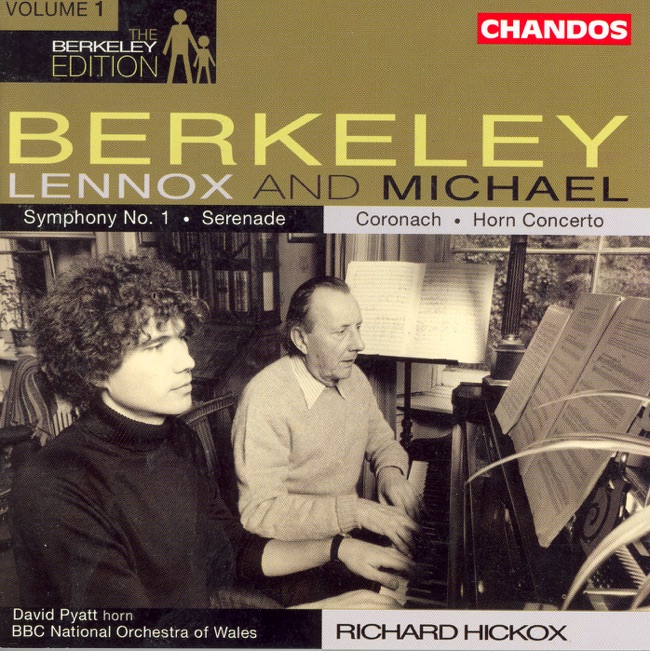
Composer:Lennox BerkeleyGenre:SymphonyStyle:SymphonyCompose Date:1940First Performance:1943Average_duration:29:43Movement_count:4Movement ....Symphony No. 1, Op. 16 is a four-movement orchestral work composed by Lennox Berkeley. It was completed in 1940 and premiered on January 16, 1941, by the BBC Symphony Orchestra conducted by Sir Adrian Boult. The first movement, marked Allegro moderato, opens with a lively and rhythmic theme in the strings, which is then taken up by the woodwinds. The music is characterized by its bright and optimistic tone, with occasional moments of tension and drama. The second movement, marked Andante, is a lyrical and introspective piece, featuring a haunting melody in the strings and a solo oboe. The third movement, marked Allegro molto, is a lively and energetic scherzo, with a playful and syncopated theme in the woodwinds. The final movement, marked Allegro moderato, is a triumphant and celebratory piece, featuring a majestic theme in the brass and a soaring melody in the strings. Berkeley's Symphony No. 1 is notable for its clarity of orchestration and its use of traditional forms and structures. The composer's use of tonality and harmonic language is also noteworthy, with a focus on diatonicism and a rejection of the more complex and dissonant techniques of contemporary composers such as Stravinsky and Schoenberg. The work is often described as a reflection of Berkeley's English heritage, with its pastoral themes and lyrical melodies evoking the countryside and folk traditions of his homeland. Overall, Symphony No. 1, Op. 16 is a significant work in the canon of British classical music, showcasing Berkeley's skill as a composer and his commitment to traditional forms and tonal harmony. Its premiere was well-received by audiences and critics alike, cementing Berkeley's reputation as one of the leading composers of his generation.More....
Works Music
Released Music