


Bernardo Pasquini
Bergamasca for organ
Released Album
Recent Album
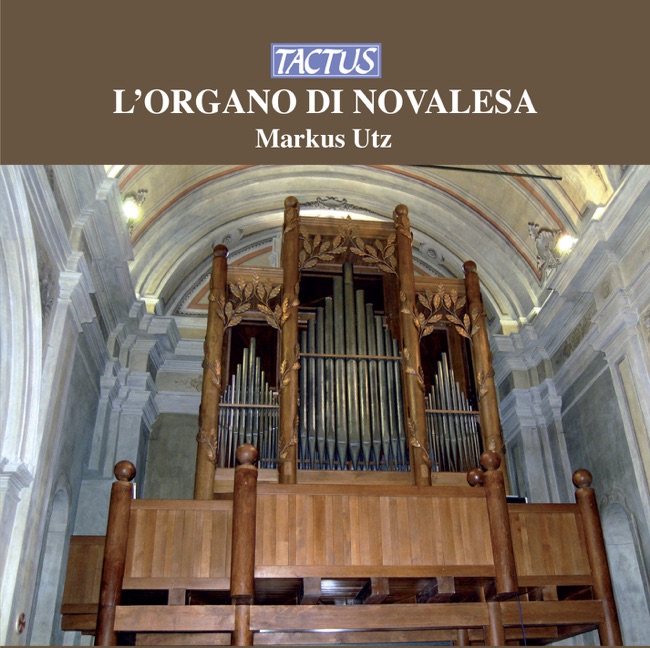
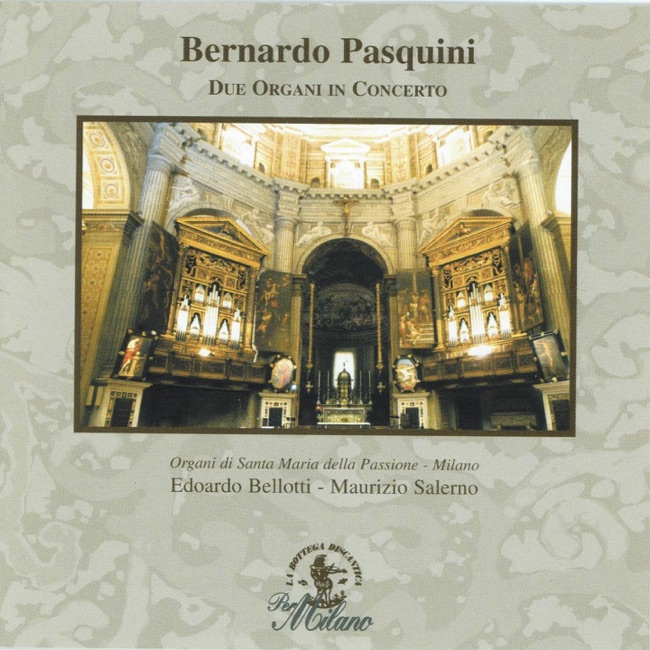
Works Info
Composer:Bernardo PasquiniGenre:KeyboardStyle:KeyboardAverage_duration:1:48Bergamasca for organ is a composition by Bernardo Pasquini, an Italian composer and organist of the Baroque era. The piece was composed in the late 17th century and premiered in Rome, Italy. It is a single-movement work that is characterized by its lively and dance-like rhythms. The Bergamasca was a popular dance in Italy during the Baroque era, and Pasquini's composition captures the spirit of this dance. The piece is written in a binary form, with two contrasting sections that are repeated. The first section is in a lively 6/8 meter, while the second section is in a slower 3/4 meter. The piece is written in the key of G major and features a number of virtuosic passages for the organist. One of the most notable characteristics of the Bergamasca is its use of ornamentation. Pasquini was known for his skill in improvisation, and this is reflected in the many trills, turns, and other embellishments that are written into the score. The piece also features a number of dynamic contrasts, with sudden shifts from loud to soft and back again. Overall, the Bergamasca for organ is a lively and engaging work that showcases Pasquini's skill as a composer and organist. Its dance-like rhythms and virtuosic passages make it a popular choice for organists looking to showcase their technical abilities, while its historical significance as a representation of the Baroque era makes it a valuable addition to any organ repertoire.More....
Works Music
Released Music

6
2:3