Franz Liszt
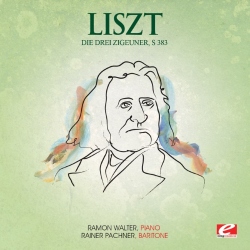
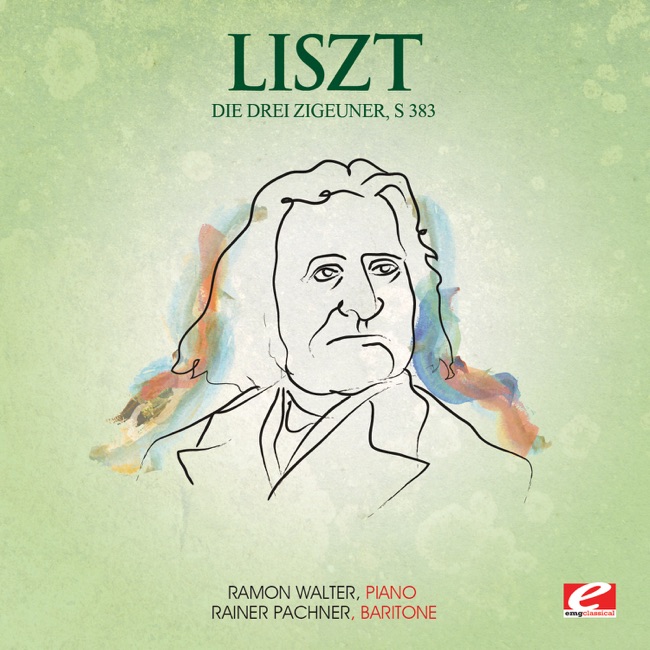
Die drei Zigeuner, S. 383
Released Album
Recent Album

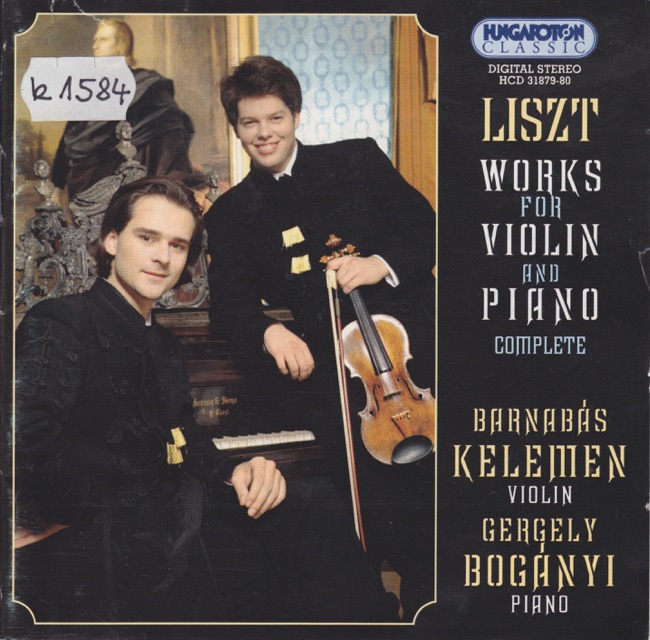
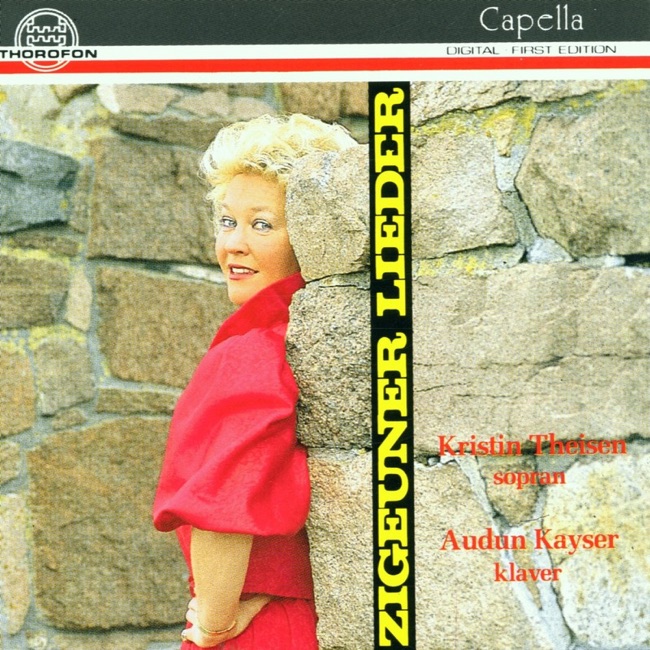
Works Info
Composer:Franz LisztGenre:ChamberStyle:Chamber MusicCompose Date:Aug 1864Publication Date:1896Average_duration:7:45"Die drei Zigeuner" (The Three Gypsies) is a solo piano piece composed by Franz Liszt in 1874. It was premiered in Weimar, Germany on August 2, 1874, with Liszt himself performing. The piece is divided into three movements, each representing a different aspect of gypsy life. The first movement, "Giocoso," is a lively and playful dance that captures the joy and energy of the gypsy lifestyle. The second movement, "Lento," is a slow and mournful melody that represents the sadness and hardship that often accompanies the gypsy way of life. The final movement, "Allegro," is a fast and frenzied dance that represents the wild and unpredictable nature of the gypsy culture. One of the most notable characteristics of "Die drei Zigeuner" is its use of Hungarian folk melodies and rhythms. Liszt was deeply influenced by the music of his native Hungary, and he incorporated many elements of Hungarian folk music into his compositions. In "Die drei Zigeuner," Liszt uses these folk elements to create a vivid and evocative portrait of gypsy life. Another characteristic of the piece is its virtuosic piano writing. Liszt was known for his technical prowess as a pianist, and he often wrote music that pushed the limits of what was possible on the instrument. "Die drei Zigeuner" is no exception, with its fast runs, intricate arpeggios, and complex rhythms. Overall, "Die drei Zigeuner" is a powerful and evocative piece that captures the spirit of gypsy culture through its use of folk melodies, virtuosic piano writing, and vivid musical imagery.More....
Works Music
Released Music